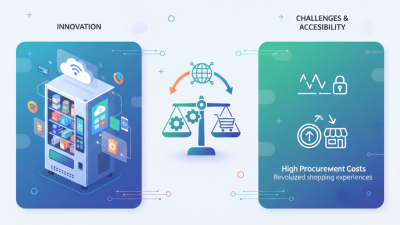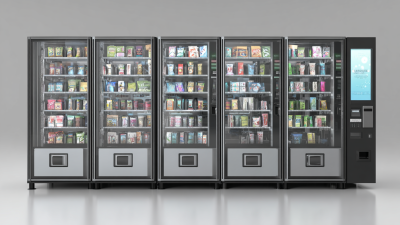
In today's fast-paced world, smart vending machines are transforming the retail landscape. As businesses seek innovative solutions, the importance of selecting the right machines becomes crucial. According to Dr. Emily Reynolds, an expert in automated retail, “The right smart vending machines can enhance customer experience and drive sales.” Her insights highlight the need for businesses to carefully consider their options.
Selecting smart vending machines is more than just a choice. It's about understanding your target audience and their needs. Features like contactless payment, user-friendly interfaces, and inventory tracking can influence customer satisfaction. A poorly chosen machine may deter customers or lead to inventory issues. Thus, reflection on the machine's capabilities and their alignment with your business goals is vital.
Amidst the myriad of options available, one must remain vigilant. Not every smart vending machine is an ideal fit for every business. Evaluating specific location needs, product offerings, and potential customer demographics can save time and resources. Reflect wisely; the success of your venture may hinge on this very decision.
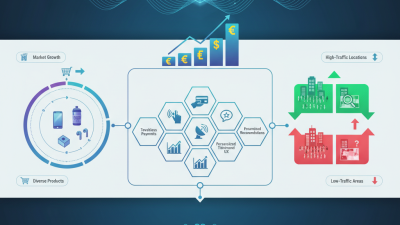
The market for smart vending machines is evolving rapidly. Research shows that the global smart vending machine market is expected to reach $20 billion by 2024. This growth reflects a shift in consumer preferences. More people want convenient, on-the-go purchasing options. Properly understanding these trends is crucial for businesses considering vending machines.
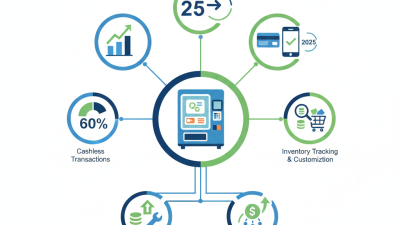
Data suggests that locations with high foot traffic, like malls and train stations, show a significant demand for smart vending solutions. A recent report indicated that around 60% of consumers prefer machines that offer contactless payment options. This preference has driven many businesses to invest in technology that enhances user experience. However, not all deployments are successful. Issues like machine maintenance and location selection can affect profitability.
Industry experts recommend conducting thorough market research before investing. A significant number of vending machines fail because of poor location choices or unsuitable product offerings. Businesses must constantly analyze consumer preferences and adjust their inventory accordingly. Trends can shift quickly, making adaptability essential for success in this competitive landscape.
| Feature | Importance Rating (1-10) | Market Demand Trend | Estimated Price Range (USD) |
|---|---|---|---|
| Payment Options (Cashless, Credit/Debit) | 9 | Increasing | $3,000 - $5,000 |
| Connectivity (Wi-Fi, Bluetooth) | 8 | Growing | $2,500 - $4,500 |
| User Interface (Touchscreen, App Integration) | 10 | High Demand | $4,000 - $6,000 |
| Product Variety (Healthy Snacks, Beverages) | 9 | Increasing | $3,000 - $5,000 |
| Maintenance and Support | 7 | Stable | $1,500 - $3,000 |
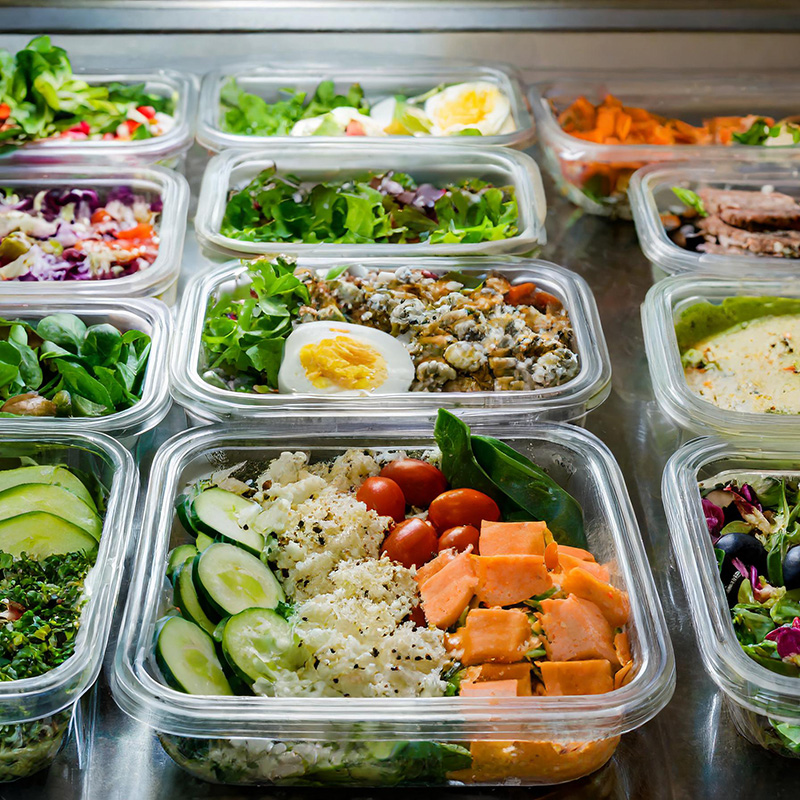
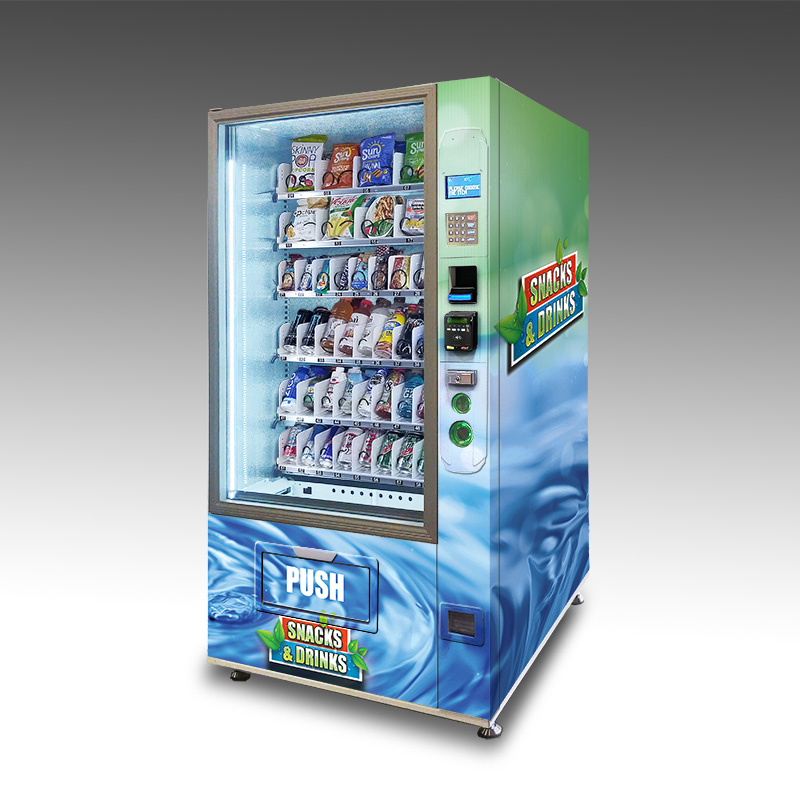
When choosing smart vending machines, it is essential to evaluate the available types. Each type serves unique business needs and customer preferences. For example, traditional snack and drink machines focus on convenience. Meanwhile, innovative machines can offer healthier options or even fresh food. Understanding your target audience helps refine this choice.
Consider the machine's payment options. Machines that accept mobile payments, credit cards, or even cryptocurrencies attract tech-savvy customers. A user-friendly interface enhances customer experience, too. Look for models that come equipped with touchscreens, making selections simple and engaging.
Maintenance is another critical aspect. Reliable machines require less troubleshooting, ensuring a smooth operation. Evaluate the technical support provided by the vendor. A responsive support system can make a significant difference when issues arise. Think about security features, as machines in unattended locations face higher risks.
When selecting machines, reflect on your specific needs. Analyze customer trends. Are healthier snacks more popular? Are payment options crucial in your area? Tailoring choices to local preferences may lead to success.
When selecting smart vending machines, specific features can significantly impact their effectiveness. First, consider the payment options available. Machines that support mobile payments, contactless transactions, and traditional cash ensure accessibility for a broader customer base. This variety can enhance user experience and promote sales. A machine limited to cash might deter potential customers.
Another critical aspect to evaluate is inventory tracking capabilities. Machines with real-time inventory management allow for better oversight of stock levels. This feature helps businesses reduce the risk of stockouts and ensures timely restocking. Additionally, machines that provide sales analytics can offer valuable insights into customer preferences and buying patterns. This data can guide future inventory decisions but can be overwhelming if the data isn’t user-friendly.
Lastly, look for energy efficiency features. Machines that consume less power contribute to lower operational costs. However, some energy-efficient models may have slower processing speeds. It's essential to strike a balance between energy savings and performance. Your choice should reflect both the immediate needs of your business and any long-term goals. Balancing these features requires thoughtful consideration to ensure the best fit for your needs.
When selecting smart vending machines, understanding the cost and return on investment is crucial. These machines often come with higher upfront costs compared to traditional vending. Yet, they offer features like cashless payments and inventory tracking, which can enhance customer experience. Calculating potential returns involves analyzing expected sales and operational efficiency. Consider how data analytics can drive better stock management.
Tips for analyzing costs: Review your budget carefully. Identify ongoing expenses such as maintenance and software fees. Create a detailed projection of potential revenue. This often requires market research to estimate foot traffic and product demand. If the initial investment seems daunting, evaluate financing options or leasing.
Reflect on your choice: not all features are necessary for every location. Assess the specific needs of your business. Is advanced inventory monitoring crucial? Or would a simpler model suffice? Finding that balance is essential. Start small if needed, and scale up as your business grows. Remember, every investment carries some risk; being cautious can lead to better decision-making.
Choosing the right location for smart vending machines is crucial. High foot traffic areas are ideal. Places like universities, office buildings, or malls draw more customers. Consider local demographics as well. Understand the needs of the community. Place machines where they can serve those specific needs.
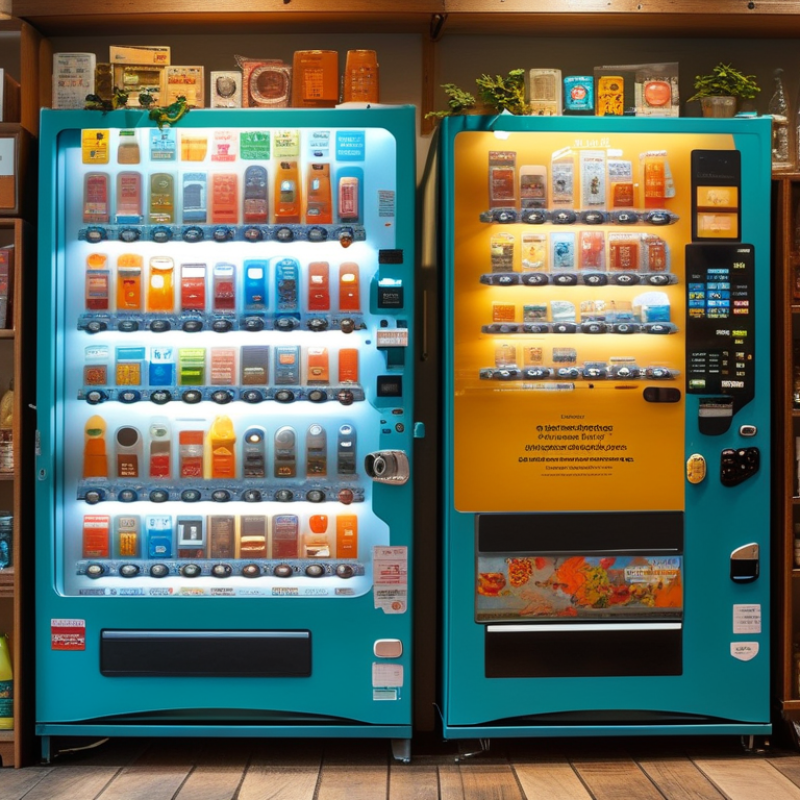
Visibility also plays a key role. Your machines should be easy to spot. Bright colors or creative designs can attract attention. But remember, not every location guarantees success. Some spots might seem busy yet yield low sales. Test different environments.
Evaluate your machine's performance regularly. Analyze sales data to understand trends. High sales in one location may not translate to another. Continuous assessment will help refine your strategy. Flexibility is essential in adapting to changing environments. Stay informed about customer preferences and alter your offerings when needed. Better choices lead to improved sales potential.