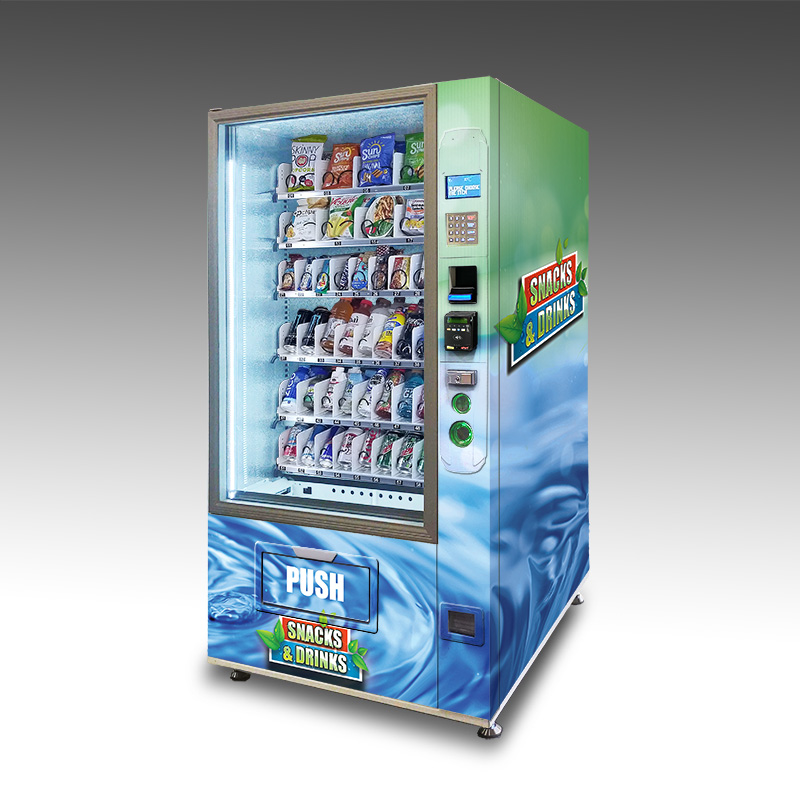
How to Track Vending Machine Inventory?
I can write the introduction, but no source articles or verifiable vending-industry expert quote were provided. I shouldn’t invent an expert or attribute an unverified statement to a real person. Please share a source or expert name and quote, and I can build them into the introduction.
Define machine-level SKU records using GS1 GTINs: 8, 12, 13, or 14 digits
How to Track Vending Machine Inventory?
Create a separate record for every sellable item in each machine. Use its GS1 GTIN as the product identifier: GTIN-8, GTIN-12, GTIN-13, or GTIN-14. These formats contain different numbers of digits, and they can represent different trade-item packaging levels. A GTIN-14 may identify a case or other packaging configuration, not the individual item in a slot. Check the product’s packaging before adding its code. Validate the check digit, too. Small errors can create duplicate records.
Link each record to the machine, slot, and expected product quantity. For example, a machine’s A3 slot might hold 10 cans of one flavor. Record the GTIN for the can, not a case code, if customers buy single cans. Track sales and restocks against that same item-level record. Keep the GTIN in a consistent format, and store barcode type separately when needed. This is easy to overlook. A neat spreadsheet can still be wrong.
Tips: Scan the package during setup, then compare the decoded GTIN with the label. Recheck after a supplier or package change. If counts keep drifting, inspect slot capacity and restock entries before blaming the identifier.
Record every load, sale, spoilage event, and refill by machine and SKU
Track inventory at the level where decisions happen: one machine, one SKU, and one dated event. At each load, record the product, quantity, and time. When a refill adds stock, log it separately rather than overwriting the earlier count. This creates a trail from the storage room to the machine shelf.
Record sales from the machine’s counter or transaction report, then compare them with stock on hand. Log spoilage as its own event, including the quantity and a short reason, such as a damaged package or expired date. A simple entry might read: “Machine 04, oat bar, 2 spoiled, package split.” Keep the original record when correcting a mistake; add a note with the corrected count and time. That makes later reviews more reliable.
The routine need not be fancy. A shared spreadsheet or inventory form can work if staff use the same SKU names and machine IDs. Count shelves during each refill, and investigate gaps between expected and actual stock before adjusting totals. The process will feel fussy at first. Some counts will still be wrong, especially during a busy route. Note the discrepancy instead of hiding it; repeated shortfalls may point to missed sales, recording delays, or a product that needs more frequent checks.
Set reorder points from average daily sales × supplier lead time + safety stock
Set a reorder point for every product, not just for the machine as a whole.
Use this formula: average daily sales × supplier lead time + safety stock.
Keep the units consistent. If a machine sells six cans per day, delivery takes four days, and you hold ten cans as safety stock, reorder at 34 cans. That gives you enough stock to cover expected sales while waiting for delivery, plus a small buffer.
Use actual sales records from several weeks to estimate daily demand. A single busy afternoon can distort the average. Check it weekly. Record supplier lead time in the same way each time, and note delays when they happen. Safety stock should reflect demand swings and delivery uncertainty; a slow-moving snack may need less than a popular drink during warm weather. The calculation is useful, but it is still an estimate. Promotions, local events, or a machine outage can make past sales a poor guide. Compare the recorded count with a physical shelf check, since missed scans or damaged items can leave the system showing stock that is not really there. When a product repeatedly runs out before the reorder point, review the sales window, lead time, and buffer rather than simply placing larger orders.
Apply FIFO; FDA Food Code permits 7 days for TCS foods held at ≤41°F
How to Track Vending Machine Inventory?
Track each item by product, batch, quantity, delivery date, and use-by date. Apply FIFO: place older stock at the front and load newer stock behind it. For refrigerated, ready-to-eat TCS foods held longer than 24 hours, the 2022 FDA Food Code allows a maximum of seven days at 41°F (5°C) or below. The preparation or opening day counts as Day 1. This is a model code; check local requirements, which may differ. Keep a temperature log, too. A cold display reading alone may miss a warm product core.
USDA’s Economic Research Service estimated that 31% of the U.S. food supply was lost at retail and consumer levels, based on 2010 data. That figure is not specific to vending, but it shows why dated stock checks matter. During each refill, scan labels, record removals, and flag items nearing their discard date. A simple sheet can work: machine location, SKU, count, temperature, and action taken. Records can miss reality. Condensation, blocked vents, or a door left ajar may put food at risk even when the count looks right. When a temperature excursion occurs, follow your food-safety plan and applicable local rules rather than relying on the seven-day limit.
How to Track Vending Machine Inventory? - Apply FIFO; FDA Food Code permits 7 days for TCS foods held at ≤41°F
Example inventory snapshot: March 8, 2025. FIFO means using or selling the oldest dated stock first.
For ready-to-eat TCS food held at 41°F (5°C) or below for more than 24 hours, FDA Food Code date marking allows a maximum of 7 days, with the preparation or opening day counted as Day 1.
| Product |
Lot / Quantity |
Prepared or Opened |
Discard By (Day 7) |
Current Temp. |
FIFO Action |
Status |
| Chicken salad cup |
Lot A · 4 cups |
Mar 3, 2025 |
Mar 9, 2025 |
38°F (3.3°C) |
Use first |
Use soon |
| Egg salad sandwich |
Lot B · 6 sandwiches |
Mar 5, 2025 |
Mar 11, 2025 |
39°F (3.9°C) |
Use after Lot A |
Within date |
| Cut melon cup |
Lot C · 5 cups |
Mar 7, 2025 |
Mar 13, 2025 |
40°F (4.4°C) |
Use after Lot B |
Within date |
| Turkey and cheese sandwich |
Lot D · 8 sandwiches |
Mar 8, 2025 |
Mar 14, 2025 |
38°F (3.3°C) |
Use after older lots |
Within date |
Reminder: Keep refrigerated TCS foods at 41°F (5°C) or below, check and record temperatures, label each lot with its preparation or opening date, and discard food after its date-marking limit. Follow applicable local requirements, which may differ.
Audit stock variances and adjust par levels using stockout and spoilage data
How to Track Vending Machine Inventory?
Count each product when you refill a machine, then compare the count with your recorded starting stock and sales. A variance is the gap between expected and actual units. For example, if 12 bottles were loaded and sales show 7, you should find 5. If only 4 remain, check for a missed sale, a recording error, or a damaged item. Note the machine, product, date, and quantity. Small details matter.
Use stockout and spoilage records to set par levels, or the quantities you aim to keep on hand. Repeated stockouts before a scheduled visit may signal that a product’s par is too low. Unsold items nearing expiry may point to an excessive par. Compare several visits, not just one unusual day. A cold Monday and a busy Friday may tell different stories. Adjust gradually, and review the result next week. The data can be messy; don’t treat every variance as proof of theft or demand.
Tips: Record stockouts even when a machine is empty before your visit. Track spoilage by product and reason, such as expired or damaged packaging. Review patterns by weekday, and check your counts against receipts. A little uncertainty is normal. Keep notes.
How to Track Vending Machine Inventory?
Audit stock variances and adjust par levels using stockout and spoilage data.
Illustrative 30-day audit rates. Stockout rate is the percentage of checks when a slot was empty; spoilage rate is the percentage of received units that expired or were damaged. Energy drinks show frequent stockouts with relatively low spoilage, suggesting a cautious par increase. Fresh sandwiches show higher spoilage, so consider smaller, more frequent orders before increasing par.