2026 Top Touch Screen Vending Machine Types for Buyers?
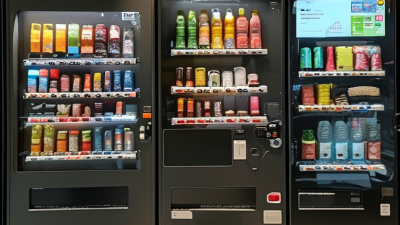
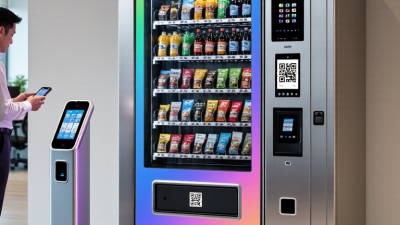
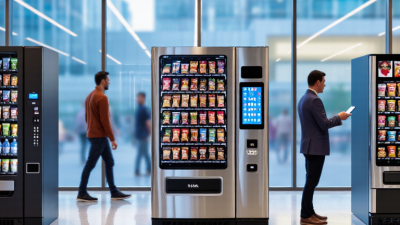
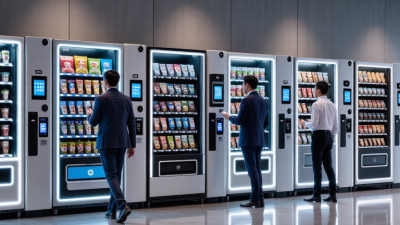
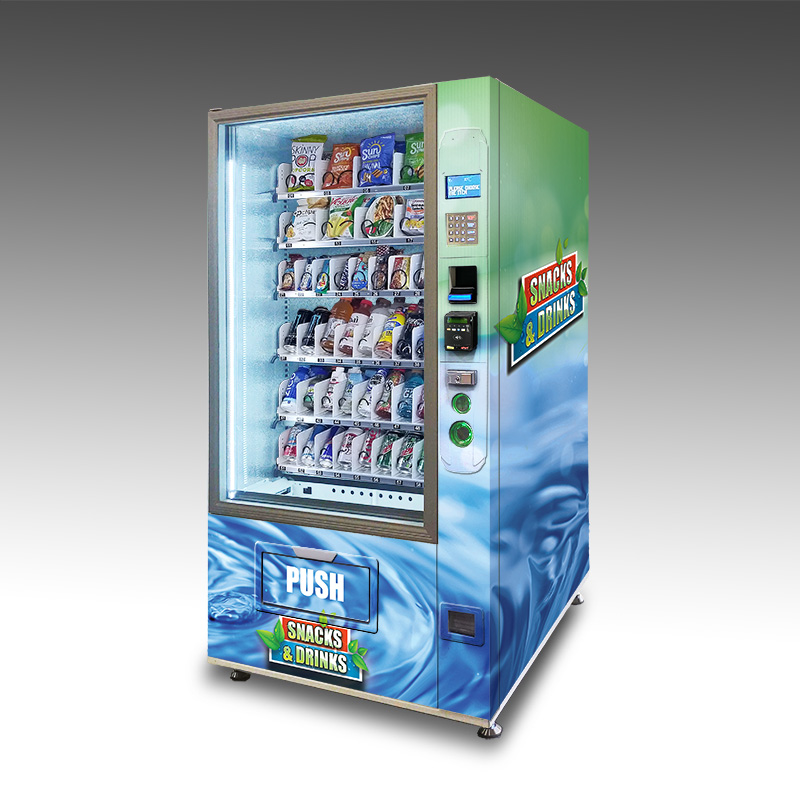
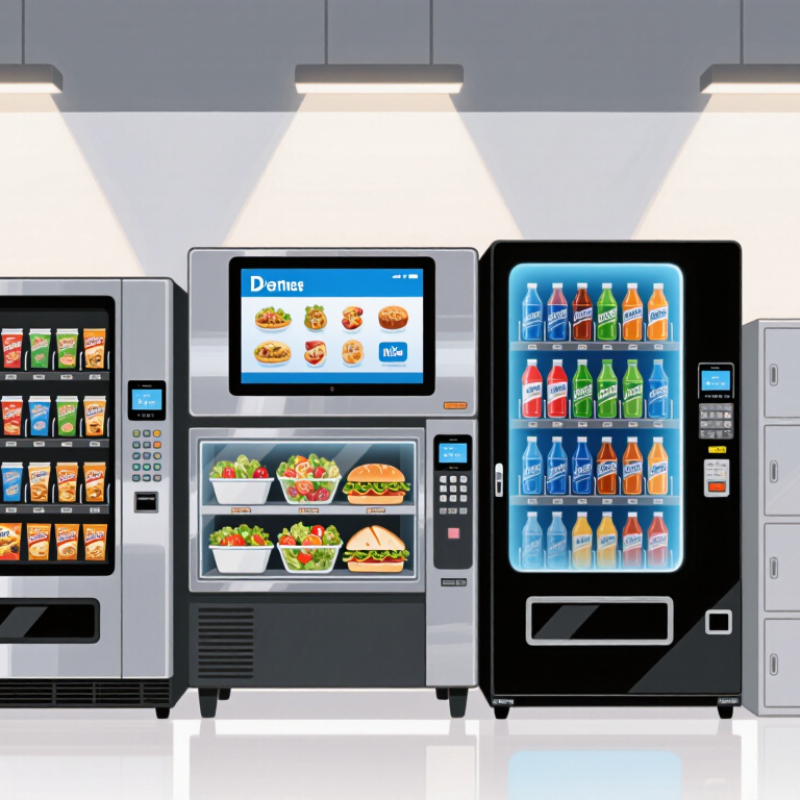
In 2026, touch screen vending machines come in more forms than the familiar snack-and-drink cabinet. Buyers can compare compact countertop units, full-size combo machines, fresh-food dispensers, beverage systems, and touchscreen smart lockers. Each serves a different setting. A small office may need quiet operation and limited stock, while a busy campus may need faster payment, clearer product images, and room for more choices.
Vending technology scholar Michael Kasavana provides a useful lens for evaluating these systems. Paraphrasing his work rather than quoting him directly: match the technology to the service task. That distinction matters. A bright, responsive display cannot compensate for poor product visibility, awkward restocking, or a machine that struggles during lunch rush. Look closely at screen size, accessibility, payment options, inventory reporting, temperature control, and service support. Then picture the machine in place: Will customers see the screen under overhead glare? Can staff reach the refill area without moving nearby furniture?
Small details count. A lot. This guide compares the leading touch screen vending machine types and explains where each may fit. It also flags trade-offs buyers can miss, from installation space to software costs. No single format suits every site. The right choice depends on customers, products, foot traffic, and the people who will maintain it. And some specifications look better on paper than they feel in daily use.
How Touch Screen Vending Machines Work
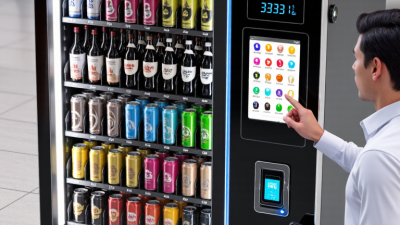
A touch screen vending machine works like a compact checkout linked to a dispensing mechanism. The screen displays products, prices, and selection buttons. When a customer taps an item, the controller checks its stock record and sends the price to the payment terminal. Payment approval unlocks the dispensing step.
A motor then turns a coil or opens a compartment, releasing the selected product. Sensors can check whether it dropped, while the controller records the sale and updates inventory. If the item jams, the machine may flag an error or reverse the charge. Simple, but not foolproof. A sensor can miss a drop, so operators still need to inspect machines and reconcile sales records.
Touch screens also make prices and product details easier to update, but they do not replace payment choice. The Federal Reserve’s 2024 Diary of Consumer Payment Choice reports cash made up 16% of U.S. payments in 2023. That figure supports keeping cash options where practical. Remote inventory alerts can help staff plan refills, though inaccurate stock data can send them on unnecessary trips. The interface is only as reliable as its sensors, network, and maintenance routine.
Products and Locations Suited to Each Machine Type
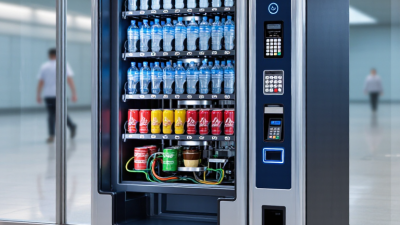
Touch-screen vending performs best when products, foot traffic, and refill frequency align. Refrigerated machines suit salads, sandwiches, yogurt, and cold drinks in offices, hospitals, and transit centers. They need dependable cooling and frequent checks, especially during warm months. A polished screen cannot make up for empty slots.
Ambient snack machines work well in hotel lobbies, coworking areas, and staff break rooms. Choose them for packaged snacks, charging cables, or compact personal-care items. Combination units help smaller sites offer chilled drinks and shelf-stable goods without taking space for two machines. Yet mixed inventory can complicate refills. Specialty machines may suit gyms or recreation centers, where customers often look for water bottles, towels, or basic fitness accessories. Clear product photos, readable prices, and quick payment matter more than flashy animations. Confusing screens lose trust fast. There is no perfect layout; shoppers may ignore categories that buyers planned carefully.
Tips: Observe peak traffic for a week, then test a small assortment. Track sales and empty selections. Adjust the mix before expanding.
Key Features That Distinguish Touch Screen Vending Machines
A touch-screen vending machine is more than a cabinet with a digital menu. Screen size, brightness, and placement affect how easily customers can browse. A display tilted toward eye level is easier to use than one reflecting overhead lights. Small details matter. Clear product photos, readable prices, and a visible back button reduce hesitation, especially in busy corridors or dim lobby corners.
The best interface shows stock status and updates selections when an item sells out. It should also guide customers through payment with clear prompts, without hiding fees or error messages. Not every screen helps. Too many animations can slow a simple purchase, and a glossy design may still confuse first-time users. Buyers should test the full path, from choosing a drink to receiving a receipt, using different payment options. Check whether the machine supports remote inventory and temperature alerts where chilled products are sold. Also inspect the screen surface and service access; frequent cleaning and repairs are practical realities, not minor details. A few test purchases can reveal awkward steps that a product sheet will not.
How Buyers Can Compare Models and Choose the Right Type
Choosing a touch-screen vending machine starts with the product and location, not screen size. A snack-and-drink unit needs clear product photos, quick payment, and reliable refrigeration. A machine for workplace supplies may need adjustable shelves, stock alerts, and simple access controls. Check the screen under bright lobby lights, with gloves on, and from a realistic standing distance. Small details matter. Grand View Research valued the global vending machine market at USD 21.3 billion in 2023 and projected 10.7% annual growth through 2030. That broad market estimate signals investment, but it does not prove every touchscreen model will pay off.
Compare total operating fit: capacity, power use, payment options, connectivity, cleaning, and local service response. Ask suppliers to demonstrate a restock, refund, and network outage—not just a polished sales screen. The NAMA 2023 State of the Industry report estimated U.S. convenience-services revenue at USD 26.6 billion for 2023, across vending and related services. That figure gives useful context, though it is not a touchscreen sales forecast. A short pilot can reveal whether customers actually use the interface. Track failed payments, abandoned purchases, and time spent restocking. I would still question a feature-heavy model if the site has weak connectivity or limited service support. Fancy screens can become expensive glass.