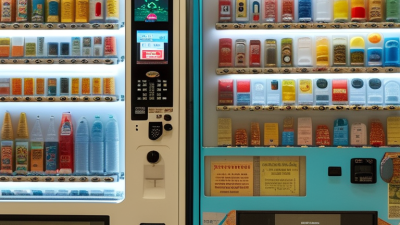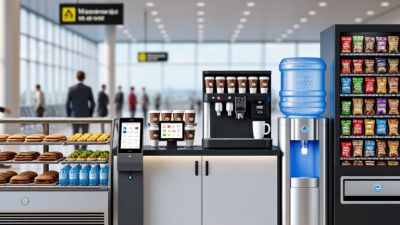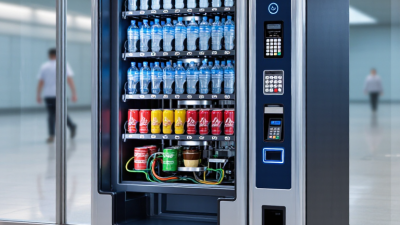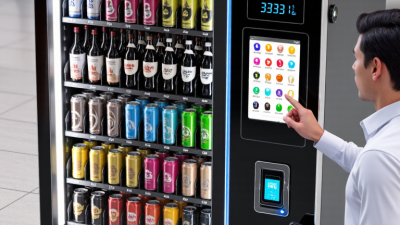
The global vending market is entering a more selective phase in 2026. Buyers are no longer choosing machines by appearance alone. They are comparing product capacity, payment compatibility, energy use, service access, and local consumer habits. A modern snack vending machine may stand in a Seoul office, a Dubai transport hub, or a university in São Paulo. Each location demands a different design.
Grand View Research estimated the global vending machine market at approximately USD 21.84 billion in 2023. Its report projects a 10.7% compound annual growth rate from 2024 to 2030. These figures suggest strong commercial potential, but they do not guarantee profitability for every operator. Site traffic, product pricing, replenishment frequency, and maintenance quality still decide daily performance. No forecast is flawless.
Consumer demand is also becoming more divided. Innova Market Insights continues to identify health, convenience, and personalized nutrition as influential food and beverage trends. This supports wider interest in refrigerated machines, combination models, and touchscreen systems with cashless payment options. However, healthy products must match regional purchasing power. A premium protein bar may sell quickly in an airport, yet move slowly near a factory entrance.
This guide examines the top snack vending machine types for global buyers in 2026. It considers practical details, including spiral spacing, temperature control, delivery reliability, payment security, and remote inventory monitoring. Buyers should also verify electrical standards, accessibility requirements, food labeling rules, and after-sales support before signing a contract. Small technical differences can become expensive operational problems.
For global buyers, snack vending is shifting from simple spiral machines to flexible, data-enabled formats. Grand View Research forecasts a 10.7% CAGR for the global vending machine market through 2030. Its outlook reflects demand for contactless purchasing, unattended retail, and compact food access. The forecast is useful, but market definitions differ.
Allied Market Research estimates a more moderate 5.5% CAGR through 2031. This gap matters. Buyers should confirm whether a report includes beverage units, payment systems, or only snack equipment. Spiral machines suit packaged bars, crackers, and small bags. Refrigerated combo units support sandwiches and fresh snacks, but require tighter temperature control. Smart lockers offer better product separation, though they need more floor space.
In site audits, power stability and refill access often matter more than screen size. A machine beside a factory entrance may need high-capacity coils and fast payment approval. A school or hospital location may require quieter cooling and clear nutrition labels. Buyers should request energy data, warranty terms, spare-part availability, and real-world uptime records. Do not trust impressive capacity alone.
Local tastes can also change the product mix quickly. Salty snacks may sell well in one market, while smaller portions perform better elsewhere. Forecasts cannot fully capture that detail. Pilot testing remains imperfect, but it reveals replenishment patterns, payment failures, and unsold inventory before a large rollout.
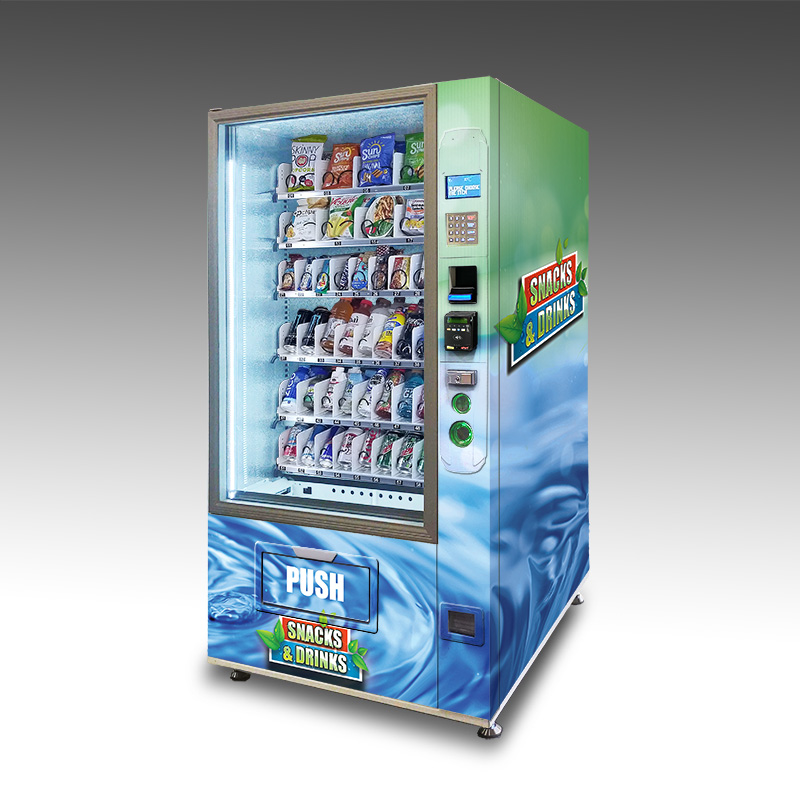
Spiral snack vending machines remain a practical choice for global buyers because they combine visible stock with predictable product delivery. Grand View Research valued the global vending machine market at about USD 21.8 billion in 2023, with continued growth expected through 2030. That expansion increases demand for machines that handle different package sizes, not just standard chips.
Capacity depends on more than shelf count.
A typical spiral lane may hold eight to twelve snack packs, depending on package thickness and coil pitch. Wider spirals suit boxed snacks, while tighter coils can grip small bags more securely. Buyers should test full and partly filled lanes, tilted packages, and soft packaging.
The target should be a high vend-success rate across repeated trials. Small details matter. A failed drop damages trust.
Product handling also requires documented controls. IEC 60335-2-75 addresses safety for commercial dispensing appliances, while ISO 22000 supports food-safety management practices. These references do not replace local certification or site checks.
The European Vending Association has repeatedly highlighted operational reliability and cashless convenience in market reporting, but reliability is still measured at the machine level. A supplier should provide load limits, temperature ranges, cleaning access, and test records.
Capacity claims can look impressive. They may disappoint after installation.
Reflection is necessary: the largest spiral layout is not always the most profitable one.
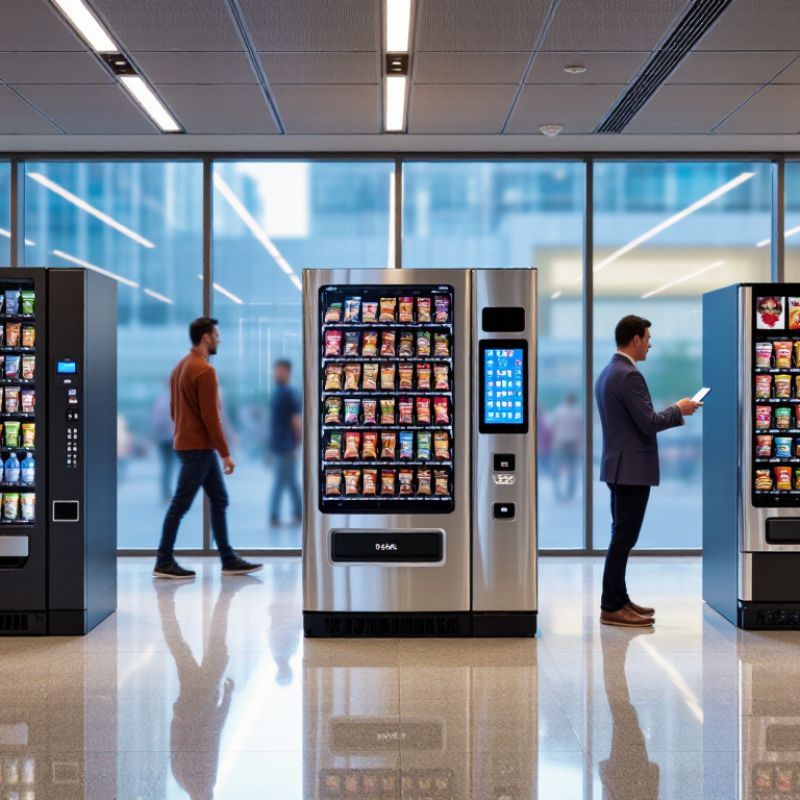
Smart cashless vending machines are becoming a practical choice for global snack buyers in 2026. In many workplace, campus, and transport-site deployments, cashless payments represent 70–90% of completed purchases. Contactless cards and mobile wallets usually lead, while QR payments remain important in several regions. Buyers should verify local payment preferences before selecting hardware.
Remote management can reduce unnecessary service visits by about 20–35%, based on common operator benchmarks. Live data can show inventory levels, temperature alerts, payment failures, and machine status. A clear dashboard also helps teams adjust snack selections by location and time of day. For example, a machine near a night-shift entrance may need different products than one beside a daytime office. Data is useful. It is not always correct.
Tips: Ask suppliers for transaction exports, alert response times, and offline-payment procedures. Test the system with weak network coverage. Confirm refund handling, data protection, and local payment compliance. Do not judge a machine only by its screen or product capacity. A bright interface cannot repair poor connectivity. My practical concern is often overlooked: remote tools may report stock accurately, but they cannot explain why customers ignore certain items. Field checks still matter.
Cashless payment acceptance and remote-management capabilities are increasingly important selection criteria for unattended snack vending deployments. The chart compares common machine formats using rounded global planning benchmarks rather than company-specific data.
Values represent estimated percentage of newly specified machines equipped with each capability in global buyer planning scenarios for 2026. Categories are not mutually exclusive.
Modern models may offer adjustable shelves, refrigerated drink columns, cashless payment, and remote stock monitoring. These features help operators manage different locations without frequent visits.
However, local conditions require careful planning. Voltage, plug standards, screen languages, payment methods, and temperature ranges vary across countries. Product labels should also support local allergen and nutrition requirements. Small mistakes happen.
Tips: Measure the doorway, service path, and customer queue before ordering. Leave clearance for ventilation and maintenance access. Use popular local products beside familiar international choices. Test payment acceptance during busy periods. Review sales data weekly, then adjust shelf heights and product quantities. A machine designed for one market may need different cooling settings elsewhere. This is where my own initial planning sometimes fell short: I focused on capacity and underestimated service access. A beautiful layout is not always a practical one.
Refrigerated and Healthy-Snack Machines: Growth Trends in Fresh-Food Vending
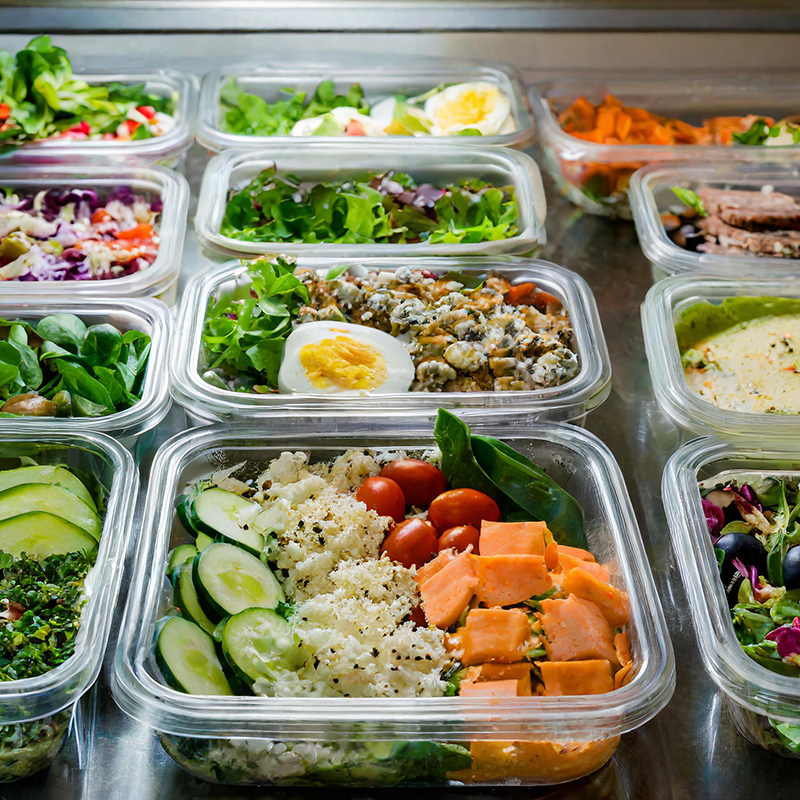
In 2026, refrigerated vending machines are moving beyond bottled drinks and packaged sweets. Buyers are choosing units that hold salads, yogurt, cut fruit, sandwiches, and chilled protein snacks. These machines need stable temperatures, clear expiry labels, and regular replenishment. A visible temperature display can build trust with shoppers. Operators should also record temperature checks and cleaning times. Small details matter.
Healthy-snack machines are expanding in offices, hospitals, schools, transport hubs, and fitness facilities. The strongest models offer practical portions, lower-sugar items, whole grains, nuts, and fresh produce. Product selection should match local eating habits, not follow a universal menu. A worker may want a quick breakfast, while a traveler may prefer fruit and water. Placement changes demand.
Fresh food brings harder questions. Waste remains a real weakness. Poor sales forecasts can leave unsold meals by evening. Operators can reduce this risk with smaller deliveries, time-based discounts, and simple inventory software. However, discounts do not fix weak refrigeration or careless handling. Machines must follow local food-safety requirements and suitable cold-chain procedures. The technology helps, but it does not replace trained staff. This point is easy to underestimate.
| Machine Type | Recommended Holding Condition | Best-Suited Product Categories | Fresh-Food Capability | Primary Buyer Locations | Key Growth Driver | Operational Priority |
|---|---|---|---|---|---|---|
| Ambient Snack Machine | Dry, clean ambient storage; avoid excessive heat, humidity and direct sunlight. | Packaged nuts, cereal bars, crackers, biscuits, confectionery and shelf-stable drinks. | Low; suitable mainly for packaged products with validated ambient shelf lives. | Transport hubs, offices, schools, leisure venues and public facilities. | Reliable access to convenient, individually packaged snacks with comparatively simple installation. | Stock rotation, humidity control and protection from heat-sensitive products. |
| Refrigerated Snack Machine | 5°C or below for potentially hazardous chilled foods, subject to local regulations. | Yogurt, chilled drinks, sandwiches, salads, cut fruit and refrigerated protein snacks. | High; supports short-life chilled products when temperature control is maintained. | Hospitals, universities, offices, gyms, airports and large workplaces. | Demand for convenient chilled meals, higher-protein snacks and less processed options. | Continuous temperature monitoring, cleaning, date-code checks and cold-chain discipline. |
| Healthy-Snack Machine | Product-dependent: ambient for sealed dry snacks; refrigerated for dairy, fresh produce and prepared foods. | Unsalted nuts, dried fruit, whole-grain bars, low-sugar products, water and better-for-you beverages. | Medium; capability depends on whether the assortment includes chilled or fresh products. | Fitness centers, schools, corporate campuses, hospitals and wellness-oriented facilities. | Consumer interest in portion control, recognizable ingredients, lower added sugar and balanced eating. | Clear nutrition information, assortment quality and regular replacement of slow-moving items. |
| Fresh-Food Meal Machine | 5°C or below for chilled ready-to-eat foods, with local food-safety controls. | Prepared salads, sandwiches, grain bowls, wraps, chilled meals and fresh fruit portions. | Very high; designed around short shelf-life prepared foods. | Hospitals, business districts, campuses, factories and locations with limited food-service hours. | Demand for quick meal access outside traditional restaurant and cafeteria operating times. | Frequent replenishment, strict use-by-date management and documented sanitation procedures. |
| Fresh Produce Machine | Temperature and humidity should be matched to the specific fruit or vegetable; avoid freezing-sensitive produce. | Whole fruit, cut fruit, vegetable cups and ready-to-eat produce portions. | Very high; intended for fresh, minimally processed produce. | Schools, hospitals, offices, transit locations and community facilities. | Public-health programs and consumer demand for convenient fruit and vegetable access. | Produce-specific storage, careful handling, frequent quality checks and low shrinkage. |
| Frozen Snack and Meal Machine | −18°C or below is a widely used benchmark for frozen-food storage. | Frozen fruit, frozen meals, ice cream, frozen desserts and selected frozen snacks. | Medium; preserves products for longer periods than chilled vending but requires freezer capacity. | Transport hubs, residential areas, campuses, entertainment venues and remote workplaces. | Longer product durability, reduced daily replenishment frequency and demand for convenient meals. | Freezer reliability, defrost management, power continuity and frozen-chain monitoring. |
| Combination Ambient-and-Refrigerated Machine | Separate ambient and chilled zones; chilled products should remain at or below applicable legal limits. | Packaged snacks, beverages, yogurt, sandwiches, salads and fresh fruit. | High; combines fresh-food availability with conventional snack capacity. | Airports, hospitals, offices, universities, hotels and mixed-use buildings. | Broader assortment potential and better use of locations with varied consumer needs. | Separate inventory controls, temperature-zone maintenance and balanced product mix. |
| Smart Fresh-Food Machine with Remote Monitoring | Configured according to product requirements, commonly chilled at 5°C or below. | Fresh meals, salads, dairy snacks, beverages, fruit portions and premium healthy snacks. | Very high; remote alerts can support temperature, stock and expiry management. | High-traffic workplaces, hospitals, campuses, residential complexes and transit sites. | Digital inventory visibility, cashless purchasing, data-led replenishment and reduced out-of-stock events. | Connectivity, cybersecurity, alert response, accurate sensors and preventive maintenance. |
| Micro-Market Refrigerated Vending Zone | Chilled cases should maintain legally required cold-holding temperatures; ambient shelves require dry storage. | Fresh meals, salads, sandwiches, snacks, drinks, fruit and convenience grocery items. | Very high; provides a wider assortment than a conventional single-column machine. | Large offices, factories, hospitals, campuses and residential communities. | Self-service food retail, wider choice and demand for food access during nonstandard hours. | Access control, shrink reduction, replenishment planning, cleaning and food-safety auditing. |