What Is the Top Digital Vending Machine in China?

Choosing the top digital vending machine in China requires more than comparing screen size or product capacity. The strongest machine should fit real operating conditions, customer habits, and local payment expectations. In a busy Shenzhen office, for example, users may expect QR payment, fast delivery, and clear stock information. A quiet, responsive interface matters. So does reliable cooling.

The best digital vending machine is not always the newest model. It should combine secure payments, remote inventory monitoring, energy efficiency, and simple maintenance. Operators also need accurate sales data and alerts when a product is stuck or temperatures change. These practical features can reduce downtime and protect customer trust. Small details matter, too. A bright display may attract attention, but poor touch sensitivity can quickly frustrate users.

This guide compares leading Chinese vending solutions through useful, verifiable criteria. It considers hardware quality, software stability, payment integration, after-sales service, safety controls, and business flexibility. Manufacturer specifications are helpful, but they do not tell the entire story. Real performance can differ between a shopping mall, school, factory, and residential community. That assumption deserves testing.

A credible evaluation should also respect consumer protection, data security, product labeling, and applicable local regulations. No single machine suits every business. The final choice depends on budget, location, product type, service coverage, and expected sales volume. Some conclusions may remain uncertain without long-term field data. That is why careful comparison is more valuable than bold advertising claims.
What Is the Top Digital Vending Machine in China?

What Defines a Top Digital Vending Machine in China?

A top digital vending machine in China is defined by reliable daily performance, not a bright screen. It should accept mobile payments within seconds and provide clear product information. The China Internet Network Information Center reported 969 million online-payment users by June 2024. That figure raises the standard for payment speed and stability. A failed QR scan can lose a sale immediately.

Strong machines also connect sales data, temperature sensors, inventory alerts, and remote diagnostics. Operators should see which drinks sell during a hot afternoon and which products remain untouched. China’s National Health Commission promotes food safety controls across storage and distribution, so temperature monitoring matters for chilled products. A machine beside a metro exit may need stronger cooling, faster replenishment, and brighter visibility than one inside an office lobby.

Location still matters more than software.

The best design fits local habits. It supports major payment methods, simple refunds, readable Chinese interfaces, and accessible product heights. According to the China Chain-Store and Franchise Association, digital retail increasingly depends on data-driven operations and integrated online-offline services. Yet no scorecard is perfect. Facial recognition or excessive data collection may create trust concerns, even when technically convenient. Operators should collect only necessary information and explain its use clearly. In practice, a slightly slower interface may be better than an intrusive one. A top machine feels ordinary: products are cold, prices are accurate, and help arrives before the machine becomes empty.

Leading Digital Vending Machine Types and Product Categories

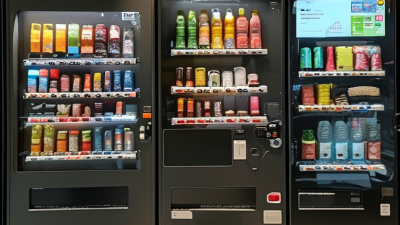
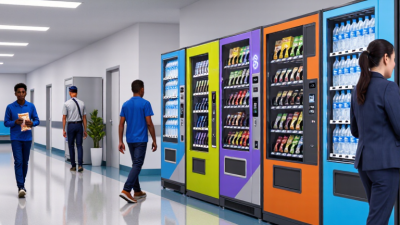
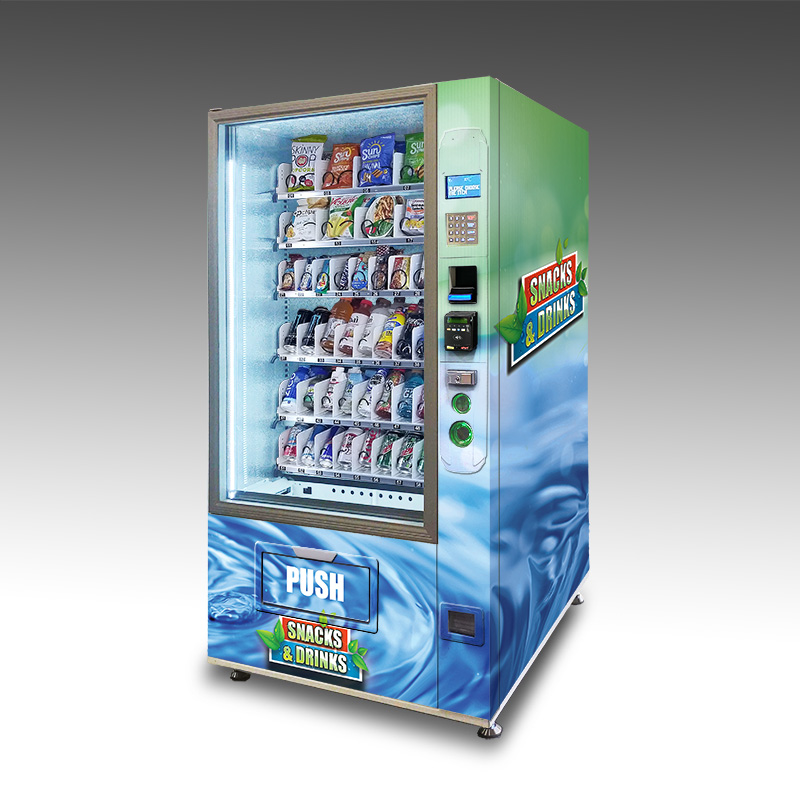
China’s top digital vending machines are judged by more than screen size or futuristic design. The strongest models match product categories with clear customer needs, payment habits, and operating conditions. A compact beverage machine suits office lobbies, schools, and transport areas. It should hold chilled water, tea, juice, and sealed snacks at stable temperatures.

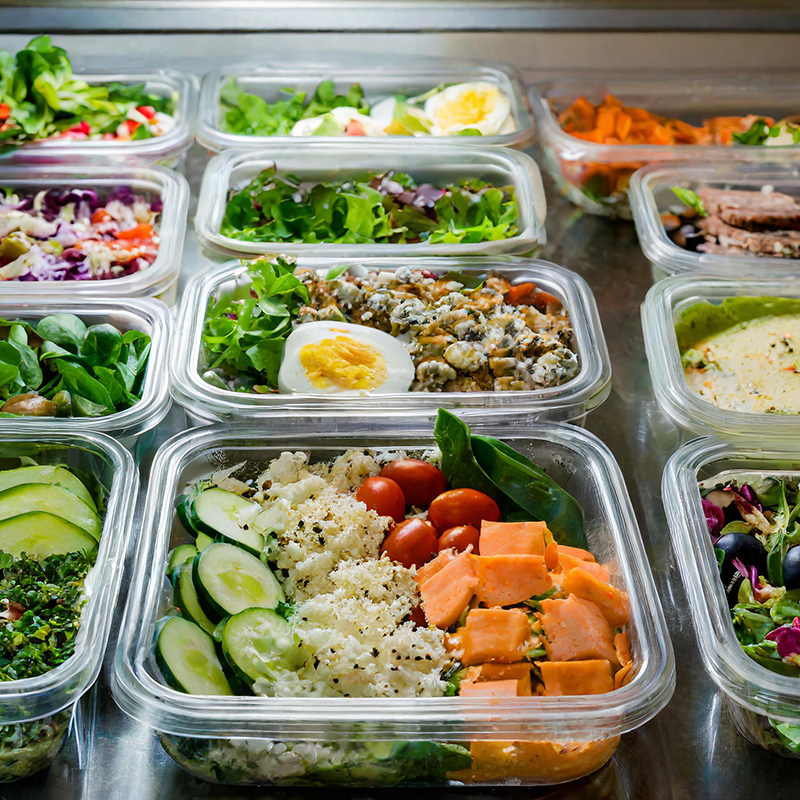
Fresh-food vending machines serve sandwiches, fruit cups, salads, and prepared meals. These units need stronger cooling, shorter restocking cycles, and careful date monitoring. In busy locations, hot-food machines can offer packaged meals through controlled heating compartments. Safety depends on accurate temperature records, clean surfaces, and reliable door sensors. Small details matter. A machine that displays stock correctly but delivers poor temperature control is not truly advanced.

Personal-care and daily-necessity machines form another important category. They may sell tissues, masks, stationery, charging cables, or travel supplies in hospitals, campuses, and residential areas. Smart lockers can also support contactless collection for legally permitted retail goods. Practical testing should examine payment speed, accessibility, noise, maintenance time, and outage recovery. A machine with several payment options is useful, but complicated menus can still discourage buyers.

There is no universal winner. Location changes the answer. A high-capacity fresh-food unit may fail in a quiet office building, while a simple snack machine may perform better. This comparison remains imperfect because weather, rent, and customer behavior vary widely. Operators should review sales data weekly and adjust product mixes instead of trusting the original plan.

What Is the Top Digital Vending Machine in China?

In China, combination vending machines are among the most versatile digital formats because they can sell beverages and packaged snacks in one unit. Fresh-food machines are also increasingly used where temperature control and short product cycles are important.

The figures show typical commercial operating ranges for commonly used vending machine formats. Actual capacity depends on machine size, product dimensions, refrigeration settings, and shelf configuration.

Core Technologies Behind China’s Smart Vending Machines

What Is the Top Digital Vending Machine in China?

China’s leading digital vending machines rely on several technologies working together. Smart sensors detect product movement, shelf weight, temperature, and door status. Cameras can identify packaging and monitor inventory changes in real time. Edge computing processes much of this data inside the machine. This reduces delays when network signals become unstable.

A reliable payment system is equally important. It should support contactless transactions, encrypted communication, and clear purchase records. Touchscreens can display prices, nutrition information, and allergy warnings. Some machines also use facial recognition, but operators must consider privacy, consent, and local regulations carefully. Convenience should not replace trust.

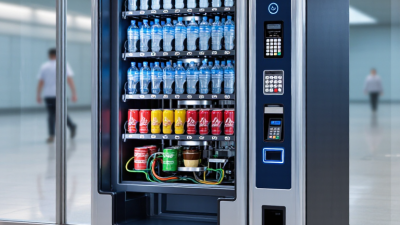
Remote management helps technicians check stock levels and refrigeration performance from a central platform. Predictive alerts may identify a failing compressor before products become unsafe. In busy stations, this can reduce waste and unnecessary service visits. Yet no system is perfect. A camera may misread damaged packaging, while a sensor can drift over time. Human inspection still matters.

The strongest machines combine automation with practical maintenance. Their software should be updated securely, and their data should be reviewed regularly. Energy-efficient cooling, sturdy screens, and accessible interfaces also affect daily performance. A technically impressive machine can still disappoint users if it is slow, confusing, or difficult to repair.

Key Features, Benefits, and Operating Models

What Is the Top Digital Vending Machine in China?

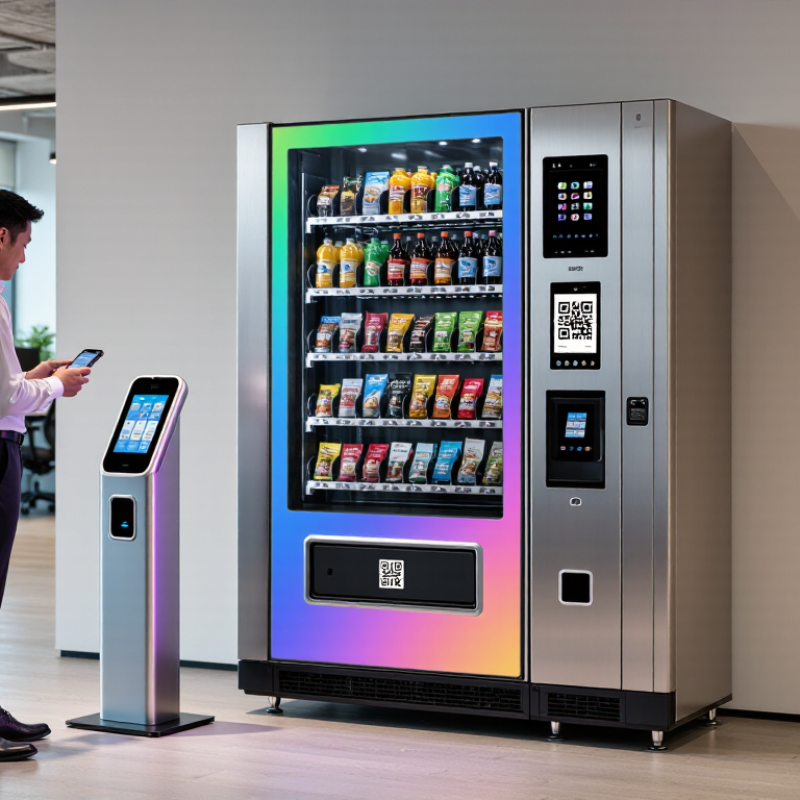
The top digital vending machine is not simply the one with the largest screen. In practice, it combines stable payment access, accurate inventory tracking, and fast service. A strong unit accepts common mobile payment methods and confirms each transaction within seconds. Its clear display shows prices, product details, and storage conditions. Remote monitoring helps operators identify low stock, payment errors, and unusual temperature changes before customers complain.

Key features should match the location. A refrigerated machine suits office buildings, schools, and transport hubs with steady daily traffic. Touchless pickup can reduce contact, while encrypted data protection supports responsible operation. Operators should also check accessibility, energy use, cleaning routines, and maintenance response times. These details seem minor. They often decide whether customers return.

Three operating models are common. In a self-operated model, the owner selects products, manages restocking, and keeps the sales revenue. A managed-service model uses an external team for delivery, maintenance, and system monitoring. A revenue-sharing model places machines in busy locations and divides earnings with the property operator. Each model affects control, labor costs, and profit margins. From field experience, location data matters more than appearance. A beautiful machine may still perform poorly in a quiet corridor. Even accurate forecasts can miss seasonal demand, equipment faults, or changing customer habits. Operators should test one location, review weekly data, and adjust carefully.

What Is the Top Digital Vending Machine in China? - Key Features, Benefits, and Operating Models

Category Data Dimension Typical Digital Vending Machine Practice in China Operational Benefit Operating Consideration
Core Digital Features Payment methods QR-code mobile payments, bank cards, contactless payments, and selected cashless wallet services Reduces checkout friction and supports high-frequency small-value transactions Payment compliance, settlement accuracy, and network availability must be managed
Connectivity 4G or 5G cellular connectivity, with local transaction buffering when the connection is interrupted Enables remote monitoring, price updates, fault alerts, and transaction synchronization SIM management and stable signal coverage are important at every location
Inventory monitoring Product-level sales records, stock alerts, and refill planning through a cloud dashboard Helps reduce stock-outs, overstocking, and unnecessary service visits Sensor accuracy depends on product size, shelf layout, and calibration
User interface Touchscreen or button-based interface with product images, prices, language options, and purchase guidance Improves product visibility and simplifies self-service purchasing Outdoor screens require brightness control, weather protection, and vandal-resistant construction
Remote management Cloud-based control of prices, promotions, product listings, machine status, and sales reports Allows centralized management of distributed machines without visiting each site Access permissions, data security, and software maintenance should be defined clearly
Security controls Door sensors, transaction logs, device authentication, camera integration, and electronic locks where required Supports loss prevention, dispute investigation, and equipment protection Security features should comply with applicable privacy and data-protection requirements
Temperature control Refrigerated configurations commonly use thermostatic control and temperature alarms for chilled products Supports cold-chain product sales and improves product quality control Energy consumption, maintenance, and local food-safety requirements must be considered
Machine Formats Snack and beverage machine Spiral shelves or lift delivery, suitable for packaged snacks, bottled drinks, and canned beverages Broad product compatibility and relatively simple replenishment Product dimensions and packaging strength affect dispensing reliability
Refrigerated machine Temperature-controlled compartments for drinks, dairy products, prepared food, or other chilled items Expands product range and can increase demand in offices, campuses, and transport locations Requires temperature monitoring, cleaning routines, and product expiry management
Cabinet or smart-fridge format Controlled-access cabinet using electronic locks, sensors, or camera-assisted product recognition Provides flexible shelf space and supports a wider assortment than traditional spirals Requires reliable identification, door-event tracking, and exception handling
Fresh-food machine Temperature-controlled sales of prepared meals, bakery items, fruit, or other short-shelf-life products Creates convenience in workplaces, hospitals, schools, and residential communities Requires strict sanitation, replenishment frequency, traceability, and expiry control
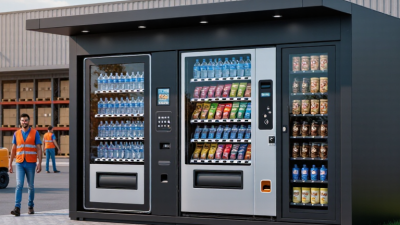
Outdoor all-weather machine Weather-resistant enclosure, reinforced locks, high-brightness display, and environmental monitoring Enables 24-hour sales in public areas and transport-oriented locations Site permissions, electrical safety, drainage, heat, humidity, and vandalism must be addressed
Operating Models Self-operated model The operator purchases or leases the machines, selects products, manages replenishment, and controls pricing Provides maximum control over assortment, customer experience, and operational data The operator bears equipment, inventory, labor, maintenance, and site-performance risks
Revenue-sharing model The machine operator shares sales revenue with the property owner or site manager under a negotiated agreement Makes it easier to secure locations with limited upfront site cost Contract terms should define revenue calculation, electricity, access, maintenance, and termination rights
Managed-service model A service provider supplies equipment, software, replenishment, and maintenance for a service fee or agreed commercial return Reduces the client’s internal workload and shortens deployment time Service-level agreements should cover uptime, response times, stock availability, and data ownership
Franchise or partner-operated model Local partners operate machines under common product, software, training, and operating standards Supports regional expansion while using local knowledge for site selection and service coverage Standardized training, quality control, reporting, and compliance audits are essential
Performance and Selection Best-fit locations Offices, schools, hospitals, residential communities, factories, transport hubs, retail spaces, and public facilities Captures demand where consumers need fast access outside conventional store hours Foot traffic, dwell time, visibility, nearby alternatives, and electricity access should be evaluated
Key performance indicators Daily transactions, sales per machine, average transaction value, stock-out rate, product waste, uptime, and service cost Creates a measurable basis for assortment, pricing, and site optimization Metrics should be reviewed by location and product category rather than only at network level
Energy management LED lighting, insulated cabinets, efficient refrigeration, standby settings, and remote energy monitoring Can lower operating costs and support sustainability objectives Actual consumption varies with machine type, ambient temperature, product load, and usage frequency
Maintenance approach Preventive cleaning, replenishment checks, component replacement, software updates, and remote fault diagnosis Improves availability, product quality, and customer confidence A nearby service network is especially important for refrigerated and outdoor machines
Selection criteria Payment compatibility, product capacity, temperature requirements, connectivity, security, software integration, service support, and total cost of ownership Helps match the machine configuration with the location, product mix, and operating model The top choice is determined by site economics and service capability, not by hardware features alone

Note: The specifications and practices above represent common configurations and operating approaches in the China digital vending market. Actual performance depends on location, product category, machine configuration, service quality, and local regulations.

How to Evaluate the Best Digital Vending Machine in China

What Is the Top Digital Vending Machine in China?

Evaluating the best digital vending machine requires more than checking screen size or appearance. According to iiMedia Research’s 2024 industry analysis, China’s vending machine market reached approximately RMB 31 billion in 2023. The report also expects continued growth through 2026. This expansion increases the need for measurable performance, not attractive hardware alone.

Start with payment reliability. CNNIC reported 1.029 billion online payment users in China by December 2024. A suitable machine should support major mobile payment methods and confirm transactions within seconds. Test the machine repeatedly. Check failed payments, refund speed, and receipt records. Small delays can frustrate customers during busy periods. Very quickly.

Temperature control also matters. Reviewers should inspect real-time temperature logs, alarm functions, and cooling recovery after frequent door openings. Product loss can begin quietly. Remote monitoring should show inventory, sales, faults, and power status. In field evaluations, a machine with fewer features can outperform a smarter one if maintenance is simpler.

Pay attention to accessibility and cleaning. A touch screen may look advanced, yet fingerprints and glare can reduce usability. The best design allows quick restocking and easy removal of damaged products. Energy consumption deserves a careful review, especially for refrigerated units. I would not trust only the supplier’s laboratory figures. Measure electricity use in an active location for several weeks. The result may be less impressive, but more honest.