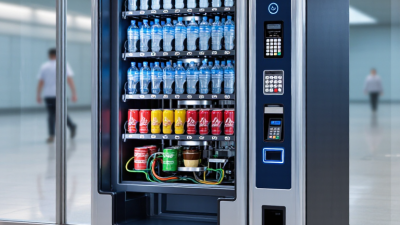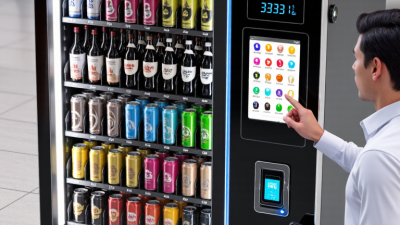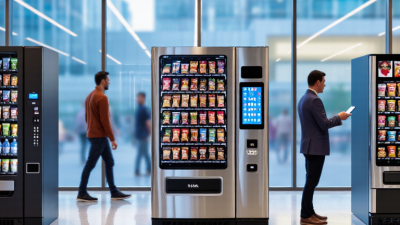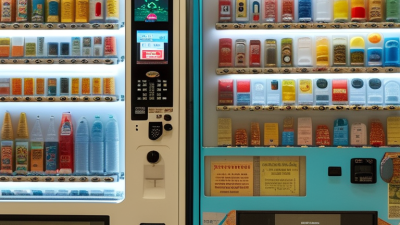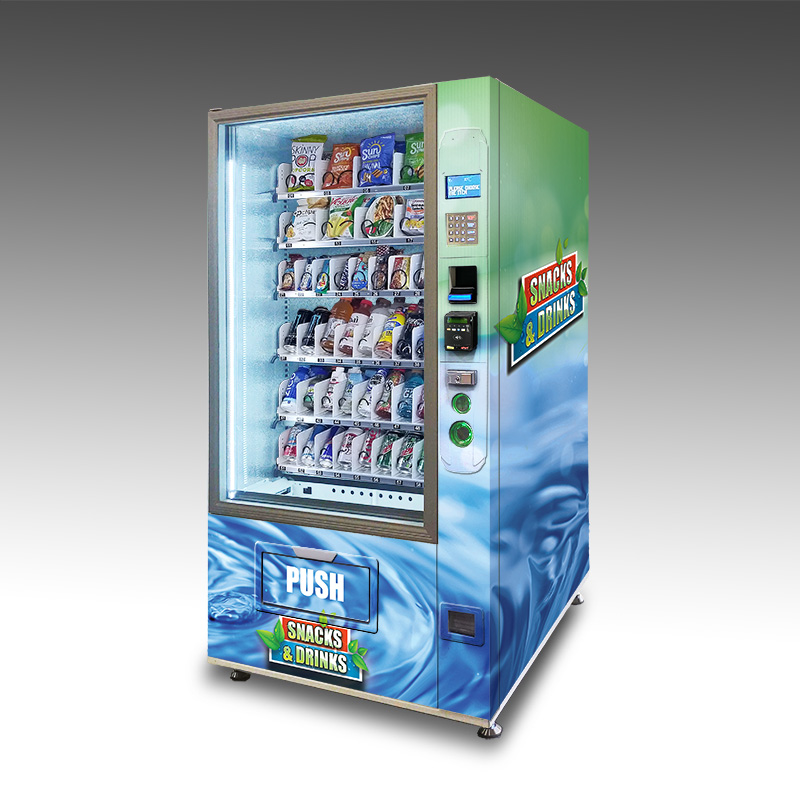
China’s vending machine industry is shifting from simple snack cabinets toward connected retail systems. Screens glow inside office lobbies, while cashless readers and remote inventory tools reshape daily operations. The details matter.
Grand View Research estimated the global vending machine market at USD 21.2 billion in 2023. Its report projected a 10.7% compound annual growth rate from 2024 through 2030. These figures offer useful context, but market estimates vary with definitions and product categories. They do not, by themselves, reveal which Chinese manufacturers deliver dependable machines.
Jeff Lenard, NACS vice president of strategic industry initiatives and a retail convenience expert, has emphasized convenience and immediate access as central strengths of unattended retail. That perspective helps explain why buyers compare more than purchase price. They also examine payment compatibility, refrigeration performance, software support, customization, and spare-parts availability. A polished screen means little if a machine repeatedly jams or service takes weeks.
This guide introduces ten leading vending machine manufacturers in China and considers the capabilities that distinguish them. The comparison focuses on product range, export experience, technology, and after-sales support. Those criteria are practical, not perfect. Supplier claims can be difficult to verify, and performance may differ between models. Buyers should confirm specifications, request references, and test machines against real operating conditions before making a decision. A busy transit hall and a quiet factory floor rarely need the same setup.
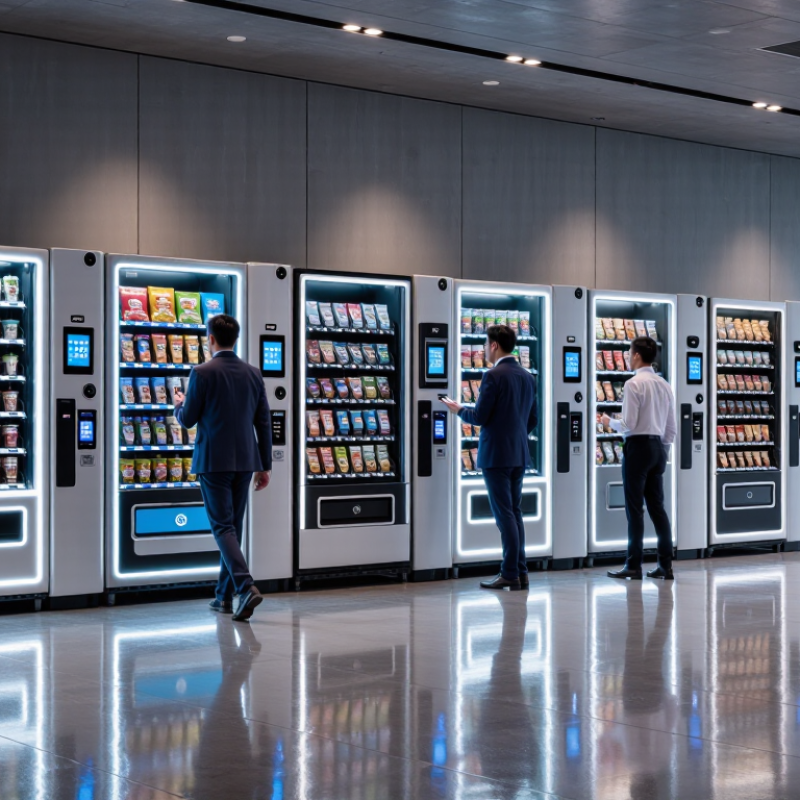
China’s vending sector has moved well beyond a few drink machines in office corridors.
The China Chain Store & Franchise Association’s industry reporting puts the installed base above one million machines. That scale reflects demand in office buildings, transport hubs, campuses, and residential areas. The figure is an industry estimate, not a live machine count, so comparisons between reports may differ.
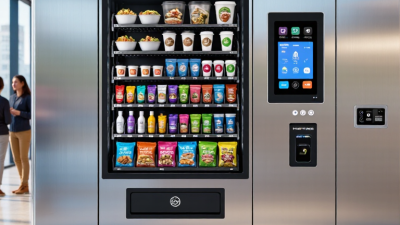
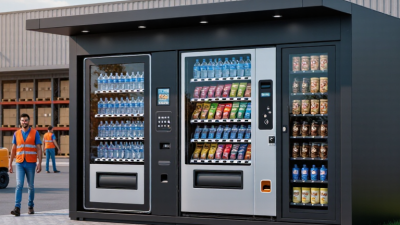
Product categories are broadening. Packaged drinks and snacks remain familiar choices, while combination units save floor space in busy corridors. Fresh-food machines serve chilled meals and produce; coffee units suit short breaks. Smart cabinets and self-service retail units can offer daily necessities where staffed shops are inconvenient. Each category has different needs: refrigeration, payment options, restocking frequency, and reliable remote monitoring. A compact machine beside a station gate may need frequent replenishment, while one in an office can carry a narrower range. Details matter.
Tips: Ask manufacturers for service coverage, temperature-control records, and real restocking data. A polished screen is not enough. Check how quickly faults are handled, too. Public market reports show scale, but they do not prove that every location is profitable; site-level sales still need testing.
To rank Chinese vending-machine manufacturers, compare evidence, not showroom claims. A practical scorecard can assign 25% to verified annual output, 25% to product development, 20% to quality systems, 20% to service, and 10% to export experience. Ask for production records, sample inspection reports, spare-parts lead times, and overseas customer references. Output matters only when delivery dates and defect rates are documented.
The National Bureau of Statistics reported China’s 2023 R&D spending at 3.33 trillion yuan, or 2.64% of GDP. WIPO’s World Intellectual Property Indicators 2024 recorded about 1.64 million patent applications in China that year. These figures show a strong national innovation environment, not the quality of any individual factory. Check whether a manufacturer’s patents relate to refrigeration, payment integration, or machine reliability. Verify quality certificates with the issuing body, and confirm destination-market compliance documents. Export claims deserve scrutiny: request shipment records or references, not just a map of countries.
Tips: Score the same criteria for every supplier. Test a sample machine under real conditions, including a busy sales period. A polished factory tour can still miss weak after-sales support. This ranking method is useful, but its weights are not universal; adjust them to your product and service needs.
Suggested evaluation weights for comparing manufacturers—not measured scores or rankings of individual companies.
Compare documented production capacity, product development capability, relevant certifications, after-sales support, and export experience. Verify each claim with current records and customer references.
A useful review of China’s vending-machine sector compares capabilities, not just factory size. The ten profiles below represent distinct strengths buyers may encounter. They are not an independently verified ranking. That distinction matters.
One manufacturer may specialize in compact snack cabinets for offices. Another builds refrigerated units with adjustable shelves for fresh meals. A third focuses on beverage machines with fast cooling. Some excel at touchscreen interfaces and remote inventory monitoring. Others offer flexible cabinet layouts for unusual product sizes. There are also manufacturers experienced in cashless payment integration, energy-saving refrigeration, modular maintenance, high-volume production, and export-ready customization. Each profile answers a different need. No single strength fits every location.
When assessing these suppliers, request clear specifications, sample operating data, and a service plan. Check how quickly technicians can replace a compressor, payment reader, or display panel. Ask about temperature consistency during repeated door openings. Small details matter. A polished screen cannot compensate for poor cooling or delayed spare parts. I would also verify claims through product trials; brochures alone can make every machine sound equally reliable. Even a strong manufacturer may need adjustments for a specific site.
A vending machine’s listed capacity may range from 300 to 800 items, but that figure needs context. Small snack packets fit differently from bottled drinks or boxed meals. Ask for capacity using the products you actually plan to sell. A machine holding 500 slim cans may hold far fewer wide containers. Numbers can mislead.
Cooling performance matters when products need a stable chilled temperature. Compare the stated temperature range, recovery time after restocking, and performance in the installation environment. A glass-front machine beside a sunny window faces a different workload from one in a cool lobby. Check energy use, too. A low purchase price can hide higher operating costs.
Payment options should match customer habits, including contactless cards, mobile payments, and cash where appropriate. Confirm transaction security and what happens when network service drops. IoT features can report stock levels, temperature changes, and equipment faults, helping operators plan visits before shelves look bare. Useful, but not magic. Ask how often data updates and whether alerts are easy to act on. One detail often gets overlooked: request a live demonstration with your products, payment setup, and network conditions. A spec sheet alone cannot show every awkward fit or delay.
When comparing China-based vending machine manufacturers, ask for documents tied to the exact model, not just a general factory certificate. Depending on the destination, check electrical safety, electromagnetic compatibility, food-contact materials, and refrigerant requirements. Request current test reports, declarations, and model numbers. ENERGY STAR estimates that qualified vending machines use about 40% less energy than conventional models, making measured energy use a useful comparison point. Source: ENERGY STAR, Vending Machines guidance. A certificate is only useful when its scope matches the machine you are buying.
Read the warranty as an operating plan. Confirm coverage length, excluded parts, labor costs, and who pays freight for replacement components. Ask how quickly the supplier can dispatch common parts such as motors, temperature sensors, and payment readers. Get a spare-parts list with prices and expected availability in writing. Small detail. A machine waiting weeks for one sensor can erase the savings from a lower purchase price.
Build a total-cost comparison for the same service period. Include machine price, shipping, customs charges, installation, energy, payment fees, maintenance, and expected downtime. Ask for energy consumption under stated operating conditions; compare like with like. Then check the supplier’s support process with a sample service scenario. A low quote can still become an expensive lesson. I would not assume the first-year estimate is precise: actual costs depend on usage, climate, and local repair access.
Supplier comparison framework: the entries below are evaluation criteria, not company rankings or manufacturer-specific claims. Confirm all requirements, prices, and commitments directly with each supplier.
| No. | Evaluation area | What to request or verify | Comparison data to record | Why it matters |
|---|---|---|---|---|
| 1 | Product and intended use | Confirm machine type, product dimensions, temperature range, payment options, and intended sales market. | Model configuration, capacity, operating conditions, included features | A machine must suit the products, location, and operating environment. |
| 2 | Regulatory compliance | Identify requirements for the destination country and machine configuration; request applicable test reports and certificates and verify their scope and validity. | Required standards, document issuer, model coverage, expiry or status | Applicable rules vary by market, product features, and sales channel. |
| 3 | Warranty terms | Get the warranty period, start date, covered components, exclusions, labor terms, and claim procedure in writing. | Coverage by component, duration, response process, freight responsibility | A stated warranty period alone does not explain what repairs are covered. |
| 4 | Spare-parts availability | Request a parts list with part numbers, prices, lead times, and the supplier’s stated support period. | Critical parts, stock location, replenishment time, end-of-life policy | Parts access affects repair time and machine downtime. |
| 5 | Service and technical support | Confirm support hours, available languages, remote troubleshooting, escalation process, and any on-site service arrangement. | Support channel, time zone, response commitment, service fees | Support arrangements can differ substantially for overseas buyers. |
| 6 | Payment and software compatibility | Check supported payment methods, payment-provider integration, connectivity, software fees, updates, and data access. | Hardware compatibility, recurring charges, integration scope, data terms | A payment feature may require separate services or market-specific integration. |
| 7 | Build quality and testing | Ask for a documented inspection and test plan, sample test records, and inspection criteria for the ordered configuration. | Factory tests, acceptance criteria, inspection options, defect process | Written acceptance criteria help clarify what constitutes a conforming unit. |
| 8 | Delivery and installation | Confirm production lead time, packing method, shipping terms, installation needs, and responsibility for transit damage. | Lead time, quoted shipping basis, packaging, installation and insurance costs | The machine price may exclude shipping, duties, installation, or other delivery costs. |
| 9 | Total cost of ownership | Compare purchase price plus shipping, duties, payment or software fees, energy use, maintenance, and expected replacement parts. | One-time costs, recurring costs, assumptions, quoted period | Comparing the same cost categories gives a more useful view than comparing unit prices alone. |
| 10 | Contract and supplier verification | Verify the legal contracting entity and bank details independently; document specifications, payment milestones, remedies, and dispute terms. | Registered entity, contract scope, payment terms, change-control process | Clear, verified contract details reduce ambiguity and payment risk. |