Top Ice Cream Vending Machine Manufacturers Worldwide
The global market for ice cream vending machine systems is changing quickly. Manufacturers now combine refrigeration, payment technology, remote monitoring, and compact retail design. These machines appear in shopping centers, transport hubs, universities, hotels, and outdoor attractions. Each location demands a different balance between capacity, temperature control, hygiene, and customer access.
This guide examines leading ice cream vending machine manufacturers worldwide through practical criteria. We consider product reliability, freezing performance, energy use, interface design, maintenance support, and customization options. Manufacturing experience matters, but so does after-sales service. A visually attractive machine is not enough if parts are difficult to replace or technical assistance is slow. Operators should also examine cleaning procedures, ingredient storage, payment security, and performance in changing climates.
Real-world details often reveal more than brochures. A busy station may need rapid dispensing and a larger storage cabinet. A hotel may prefer a quieter model with a smaller footprint. Outdoor installations require strong weather protection and stable temperature management. No ranking is perfectly universal. Data can differ by region, model, and operating conditions. Some manufacturers publish limited performance information, which deserves careful review. Buyers should request demonstrations, warranty terms, safety documentation, and references from current operators. This approach supports a more reliable comparison and reduces costly surprises. The following overview highlights established companies, emerging specialists, and the capabilities that separate dependable equipment from machines that merely look impressive.
What Is an Ice Cream Vending Machine?
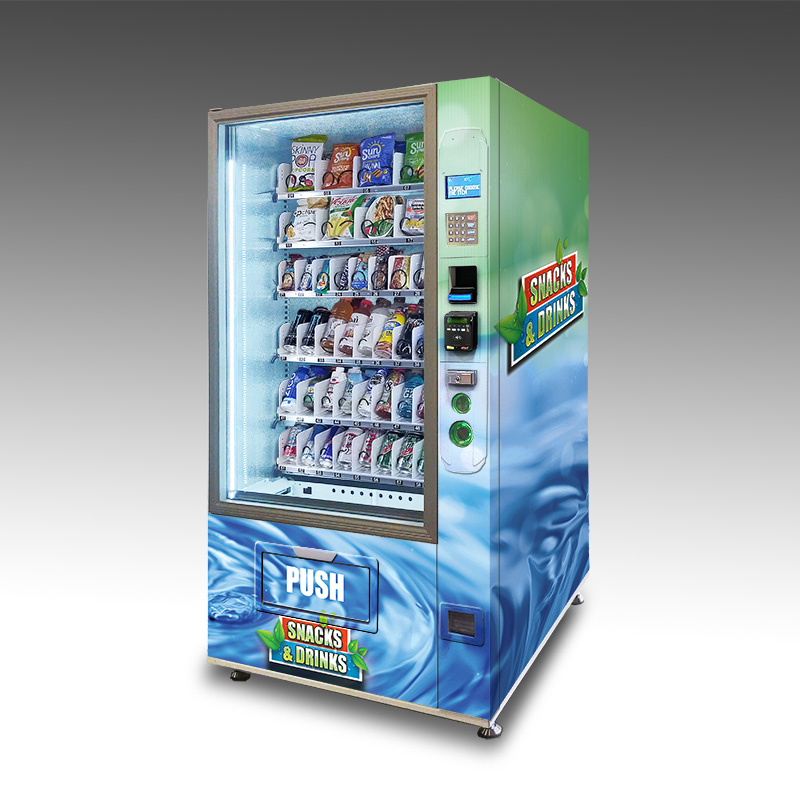
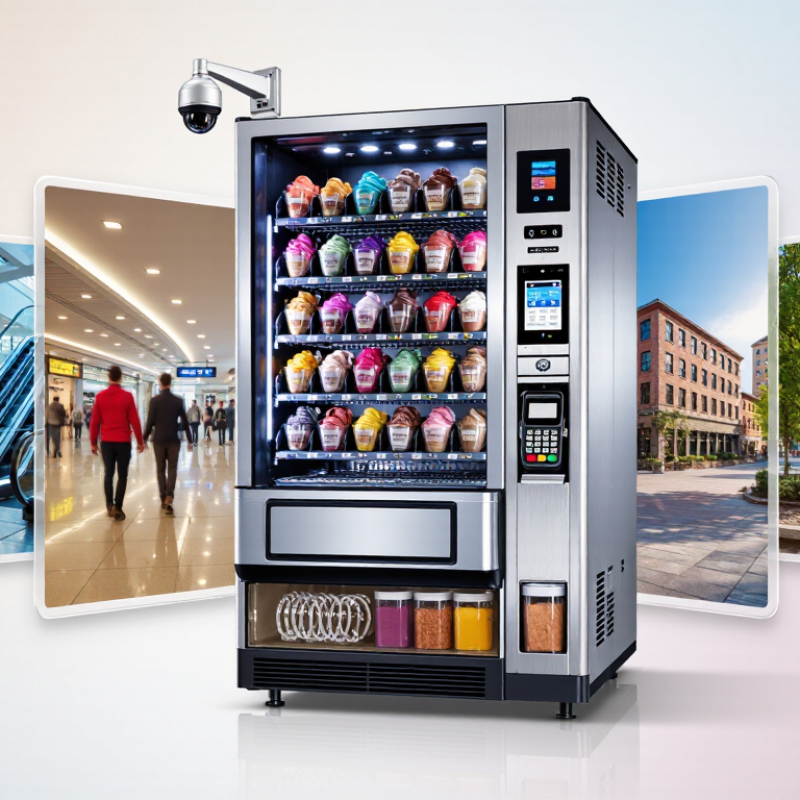
An ice cream vending machine is an automated unit that stores and serves frozen desserts without a traditional counter. It usually combines an insulated freezing chamber, a dispensing mechanism, payment controls, and a digital interface. Customers choose a product, complete payment, and collect it through a protected opening. The process can take less than a minute.
Temperature control matters most. The machine must keep products consistently frozen while limiting unnecessary temperature changes during busy periods. Sensors can monitor internal conditions, while alarms may warn operators about faults or low stock. A clear product window also helps customers check packaging, portion size, and allergen information before buying. Small details build trust.
From an operator’s experience, reliable performance depends on more than hardware. Regular cleaning, stock rotation, inspection of seals, and accurate temperature records are essential. Servicing schedules should follow the equipment manual and applicable local requirements. Machines placed outdoors may need extra protection from heat, moisture, dust, and direct sunlight. Harsh conditions can reduce efficiency.
It is not simply a freezer with a payment screen. Poor layout can cause queues, failed selections, or damaged packaging. Some systems also struggle with irregular product shapes. That weakness deserves attention. A practical evaluation should examine recovery time, cleaning access, energy use, payment security, and emergency shutoff functions. Independent testing and transparent maintenance records provide stronger evidence than attractive advertising.
How Ice Cream Vending Machines Work
Top Ice Cream Vending Machine Manufacturers Worldwide
How Ice Cream Vending Machines Work
An ice cream vending machine combines cold storage, payment controls, and automated dispensing. Inside, an insulated cabinet keeps products at a stable frozen temperature. Sensors track internal conditions and alert operators when cooling becomes unreliable. A customer selects a product on the screen, pays electronically, and waits while the machine retrieves it.
The delivery system depends on the product format. Packaged cups may move along a spiral coil or conveyor. Soft-serve models mix a prepared liquid base and dispense a measured portion through a chilled nozzle. A small motor controls the serving size. Temperature checks help protect texture and food quality, but cooling systems need regular inspection. Frozen desserts can soften quickly after a power interruption.
Cleanliness matters.
Operators should inspect nozzles, contact surfaces, seals, and collection areas on a fixed schedule. They also need to record temperatures and restock products without blocking airflow. Remote monitoring can show sales, stock levels, and equipment faults. However, digital alerts are not perfect. A sensor may report normal conditions while a blocked vent slowly reduces performance. Physical checks still matter.
From practical operation, the best machines are not simply the fastest. They must offer stable temperature control, clear instructions, safe payment processing, and accessible maintenance points. Weather, customer traffic, and product size can change performance. That is why installation tests should cover busy periods, warm surroundings, and repeated dispensing cycles. Expect some adjustment. Real-world conditions rarely match a showroom demonstration.
Key Features to Compare Among Global Manufacturers
When comparing global ice cream vending machine manufacturers, examine more than appearance and advertised capacity. A reliable machine should maintain stable freezing temperatures, often below -18°C, while handling repeated door openings in busy locations. Check compressor quality, insulation thickness, noise levels, and recovery time after each sale. These details affect product texture, energy use, and customer trust. A bright screen means little if the machine struggles during a hot afternoon.
Payment flexibility is equally important. Look for secure card, mobile, and contactless payment options that suit the target market. Remote monitoring can report stock levels, temperature changes, payment errors, and maintenance alerts. This helps operators respond before melted products or empty shelves damage sales. Ask manufacturers for service response times, spare-part availability, and warranty coverage in your region. Some suppliers sound convincing, but their local support may be weak.
Tips:
Test a working unit with real products before ordering. Measure the delivery compartment carefully. Confirm cleaning access, drainage, and electrical requirements. Ask for energy data from ordinary operating conditions, not only laboratory tests. Also inspect accessibility features, screen height, and clear instructions for first-time users. I would not judge durability from one demonstration alone; long-term field records are more useful, though they can still be incomplete. Temperature sensors may drift, and software updates may interrupt service. Plan for those imperfect moments.
Leading Ice Cream Vending Machine Manufacturers Worldwide
Leading ice cream vending machine manufacturers worldwide are reshaping frozen dessert sales in airports, campuses, shopping centers, and outdoor attractions. Their strongest machines combine precise temperature control, hygienic dispensing, and simple customer interfaces. Manufacturers with international experience usually design units for different climates, voltage systems, and operating environments.
Reliable models keep ice cream consistently frozen, even during busy afternoon periods. Sensors monitor temperature and alert operators before product quality declines. Stainless steel surfaces support faster cleaning between service cycles. Some machines include contactless payment, remote inventory tracking, and multilingual screens. These features reduce staffing pressure, but they also require dependable software support.
Practical testing matters.
Experienced manufacturers should provide clear cleaning schedules, spare parts, warranty terms, and technician training. Independent safety documentation also helps buyers verify electrical protection and food-contact materials. A machine may look impressive in a showroom, yet perform poorly under direct sunlight or heavy foot traffic. That risk deserves attention. Operators should request trial data, maintenance records, and performance results from comparable locations. Even leading manufacturers can leave small usability problems unresolved, such as slow payment confirmation or awkward refill access. Careful buyers should report these weaknesses and ask for measurable improvements before installation.
How to Choose the Right Manufacturer for Your Market
Choosing an ice cream vending machine manufacturer starts with market fit, not catalogue size. Grand View Research valued the global ice cream market at about USD 79 billion in 2022, with continued growth expected through 2030. That growth does not guarantee success for every machine. Check local demand, serving temperature, portion size, and payment habits before requesting quotations. A beach kiosk may need strong corrosion resistance, while a hospital corridor may prioritize quiet operation and compact dimensions. Ask manufacturers for documented freezing performance, cleaning procedures, energy consumption, and spare-parts availability. Vague answers are warning signs.
Technical support matters as much as stainless steel. The vending machine market is expanding, but Fortune Business Insights identifies automation, cashless payments, and remote monitoring as major growth drivers. Choose a supplier that can integrate reliable payment systems and provide usable sales data. Request a live demonstration, not only polished product images. Examine the dispensing cycle, recovery time, touchscreen response, and how easily staff can sanitize product-contact areas. Food safety requirements vary by country, so confirm certifications with local authorities before purchase. Do not assume one certificate covers every market.
Price comparisons can mislead. A cheaper unit may consume more electricity or require difficult imports. No scorecard is perfect. I would assign separate weights for uptime, service response, warranty coverage, and total ownership cost. Then test those assumptions with a small pilot. Even experienced buyers can underestimate seasonal demand, especially in colder regions. A manufacturer willing to discuss failures, maintenance intervals, and unsuccessful deployments is often more credible than one promising effortless returns.
Top Ice Cream Vending Machine Manufacturers Worldwide: Market Selection Benchmark
Compare common commercial machine specifications before selecting a manufacturer. Higher output supports busy locations, while lower power consumption and compact dimensions are often more suitable for small retail spaces.
Benchmark values represent typical commercial equipment ranges and should be verified against each manufacturer’s current technical datasheet, local voltage requirements, certifications, warranty terms, and service coverage.