China Top 10 Smart Vending Machines Suppliers?
Smart vending machines are reshaping unattended retail, moving far beyond simple snack dispensers. Modern units can combine touchscreen ordering, cashless payments, temperature monitoring, inventory alerts, and remote diagnostics. A machine placed in a hospital lobby may recognize low stock before the final bottle disappears. That practical detail changes operating costs.
Market evidence supports this shift. MarketsandMarkets estimates that the global smart vending machine market could grow from approximately USD 11.84 billion in 2023 to USD 25.34 billion by 2028, representing a 16.4% compound annual growth rate. Allied Market Research also projects strong expansion across the broader vending machine sector, driven by contactless payments, urban convenience, and automated retail services. These figures are useful, but forecasts can change. Supplier performance still depends on installation quality, software stability, local service coverage, and product compatibility.
As vending industry expert Michael Kasavana has noted, “Vending is the original self-service retail.” His observation remains relevant as artificial intelligence, telemetry, and mobile payments enter the sector. In this guide to China’s top 10 smart vending machines suppliers, we examine manufacturers through a practical lens. We consider machine design, payment integration, refrigeration, customization, production capacity, certifications, and after-sales support. We also look at whether suppliers can provide dependable firmware updates and spare parts, not merely attractive catalogs. A polished screen is not enough. Reliability matters more.
The following companies represent different strengths, including export experience, intelligent control systems, modular designs, and specialized vending formats. No ranking is perfectly permanent. Buyers should verify current certifications, factory capabilities, warranty terms, and regional compliance before signing a contract.
Table of Contents
[Hide]
What Are Smart Vending Machines and How Do They Work?
Smart vending machines combine automated retail with connected software. Unlike traditional machines, they can identify products through cameras, weight sensors, or RFID readers. A customer opens the door, selects an item, and closes it. The system calculates the purchase automatically.
The process begins with a secure account, QR code, or contactless payment method. Sensors record each product removed from the cabinet. An embedded controller sends transaction data to a cloud platform. Operators can view sales, stock levels, machine temperature, and fault alerts remotely. Refrigerated models use thermostats and compressors to protect drinks, fresh food, or other temperature-sensitive products. Small details matter. A weak internet signal can delay payment confirmation.
In China, suppliers commonly adapt machines for offices, stations, campuses, hospitals, and residential buildings. Reliable units need more than attractive screens. They require accurate weighing, stable doors, clear refund procedures, and regular maintenance access. Operators should test temperature readings against a separate thermometer. They should also review data protection, payment security, electrical safety, and local retail requirements before deployment.
Not every “smart” feature improves the customer experience. A complicated checkout may discourage quick purchases. Cameras can also misread reflective packaging or crowded shelves. Human review remains useful when disputes occur. In practice, the best design is often less futuristic and more dependable. That is easy to overlook.
China Top 10 Smart Vending Machines Suppliers? – What Are Smart Vending Machines and How Do They Work?
Anonymized comparison of common smart vending machine configurations and supplier capabilities available in China
| No. | Machine Configuration | Typical Products | Temperature Range | Smart Functions | Payment Options | Remote Management | Typical Capacity | Common Applications |
|---|---|---|---|---|---|---|---|---|
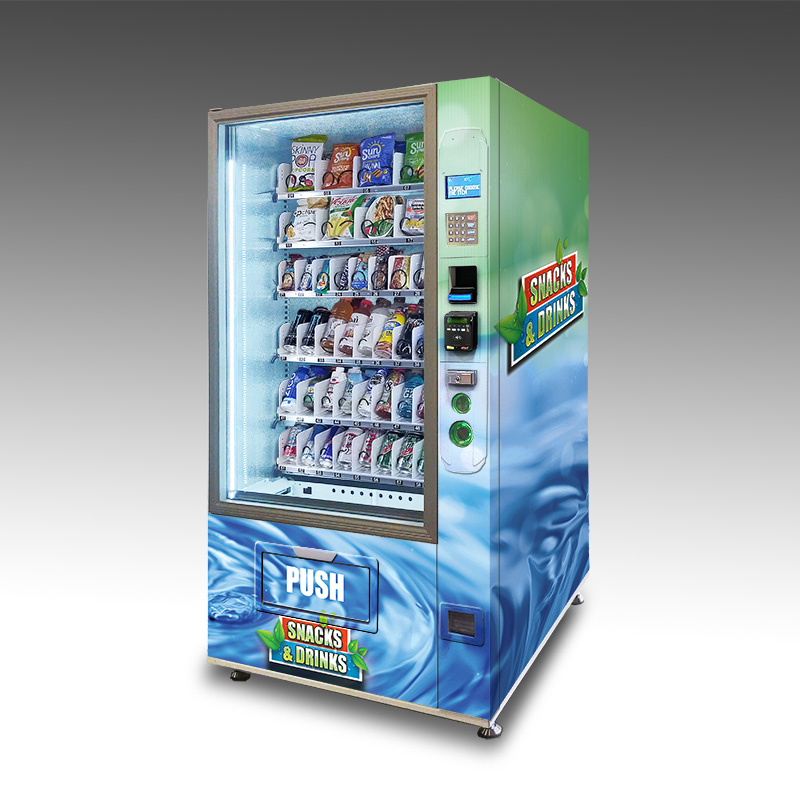
| 1 | Refrigerated Combo Machine | Bottled drinks, cans, snacks and packaged food | Approximately 2–25°C, depending on the compartment | Temperature monitoring, inventory tracking, electronic locks and product-drop detection | QR-code payment, mobile wallet, bank card and contactless payment | Cloud dashboard, sales reports, stock alerts and fault notifications | Approximately 150–400 items | Offices, schools, transport hubs and residential communities |
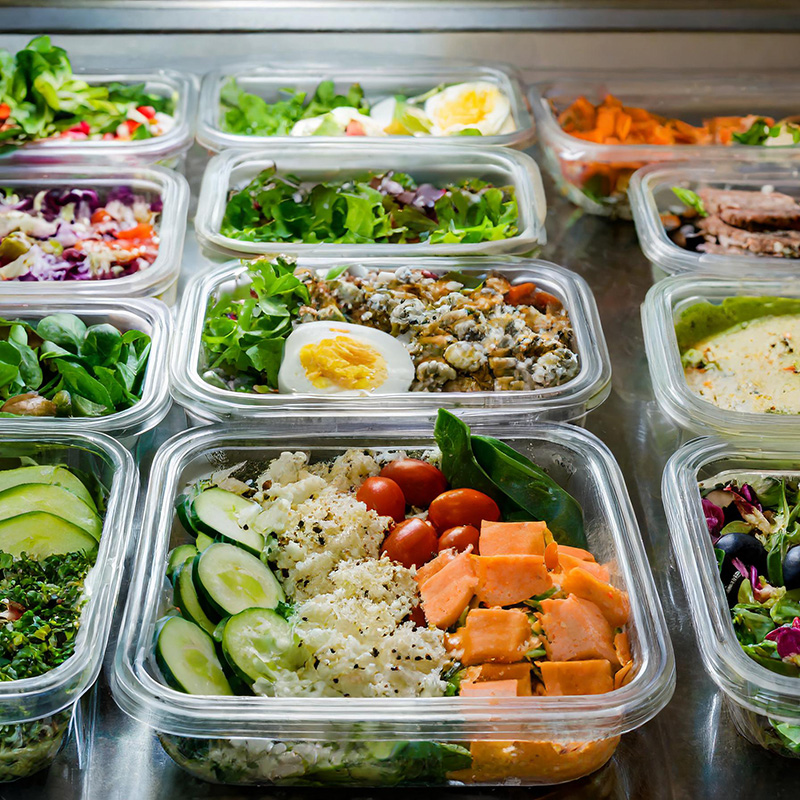
| 2 | Fresh Food Vending Machine | Fresh meals, salads, sandwiches and desserts | Usually 2–8°C for chilled products | Refrigeration control, shelf-life management, door sensors and temperature alarms | QR code, mobile wallet, bank card and digital coupons | Remote temperature records, inventory synchronization and expiration alerts | Approximately 30–100 meal packages | Hospitals, business parks, universities and industrial facilities |
| 3 | Micro-Market Cabinet | Snacks, drinks, convenience goods and ready-to-eat products | Ambient or refrigerated zones, commonly 2–25°C | Computer vision or weight sensors, automatic checkout and loss-prevention alarms | App payment, QR code, bank card and employee account payment | Centralized product, pricing, sales and equipment management | Approximately 300–1,500 items | Large offices, factories, campuses and unmanned retail areas |
| 4 | Frozen Food Vending Machine | Ice cream, frozen meals, dumplings and frozen seafood | Usually below -18°C for frozen storage | Compressor control, temperature alarms, door monitoring and automatic defrost management | QR code, mobile wallet, bank card and contactless payment | Remote temperature, energy-status and inventory monitoring | Approximately 40–160 packages | Residential areas, supermarkets, campuses and tourist locations |
| 5 | Hot Meal Vending Machine | Hot meals, boxed lunches, noodles and prepared food | Chilled storage with heating typically above 60°C during serving | Heating control, food-compartment monitoring, pickup verification and sanitation reminders | QR code, mobile wallet, bank card and prepaid account | Remote sales data, temperature records, maintenance alerts and menu updates | Approximately 20–80 meal portions | Factories, hospitals, railway stations and office buildings |
| 6 | Health and Personal Care Machine | Personal care products, over-the-counter goods and emergency supplies | Generally ambient temperature; selected products may require cooling | Age or product-category prompts, secure dispensing, stock monitoring and LED guidance | QR code, mobile wallet, bank card and contactless payment | Remote inventory, sales analysis, price management and fault reporting | Approximately 40–200 product selections | Hospitals, airports, hotels, universities and public facilities |
| 7 | Beauty and Cosmetics Machine | Skincare, cosmetics, travel-size toiletries and accessories | Usually ambient temperature, protected from excessive heat and humidity | Touchscreen catalog, product images, promotional content and secure delivery | QR code, mobile wallet, bank card and contactless payment | Remote content, pricing, inventory and campaign management | Approximately 30–150 product selections | Shopping centers, airports, hotels and entertainment venues |
| 8 | Coffee and Beverage Dispenser | Fresh coffee, tea, cocoa and other hot beverages | Water and ingredient systems are controlled internally; beverage output is commonly above 60°C | Automatic brewing, ingredient monitoring, cup detection and cleaning reminders | QR code, mobile wallet, bank card and contactless payment | Remote sales, ingredient levels, cleaning status and machine alarms | Approximately 100–500 servings per refill cycle | Offices, universities, hotels, hospitals and public venues |
| 9 | Ice and Water Vending Machine | Bagged ice, filtered water and refillable water containers | Water systems operate according to local sanitation and equipment requirements | Water-quality monitoring, automatic filling, container detection and filter alerts | QR code, mobile wallet, bank card and prepaid account | Remote production volume, filter status, payment records and fault alarms | Approximately 100–1,000 liters or equivalent units per day | Residential communities, convenience areas, farms and outdoor locations |
| 10 | Robotic Pickup Vending System | Meals, groceries, parcels and temperature-sensitive products | Ambient, chilled or frozen compartments can be combined | Robotic delivery, QR-code pickup, compartment control and access verification | QR code, mobile wallet, bank card and platform-based payment | Remote order processing, compartment status, inventory and equipment diagnostics | Approximately 20–200 compartments | Residential communities, offices, campuses and logistics collection points |
Note: Smart vending machines normally combine automated dispensing hardware with sensors, cashless payment systems, network connectivity and cloud-based management software. Capacity, temperature and configuration figures are typical industry ranges and vary according to the selected cabinet, cooling system, product dimensions and local operating requirements.
Related Posts
-
7 Best Smart Vending Machines for Global Buyers
-
What is the Future of Food Vending Machines in 2026?
-
Unleashing Profits with a Unique Candy Vending Machine Business Model
-
What is the Best Way to Invest in Vending Machines for Profit
-
China Top Vending Machine Manufacturers for Global Buyers
-
10 Snack Machine Buying Tips for Global Buyers