What Are the Top 10 Vending Machine Software Solutions?
Choosing vending machine software is less about finding the longest feature list and more about solving daily operating problems. A useful platform can show machine status, track inventory, process cashless payments, and flag service needs before a small issue becomes a missed sale. The details matter. A clear dashboard, for example, can help an operator spot a low-stock item without visiting every location.
This guide compares ten software solutions through practical criteria: monitoring tools, payment options, route planning, reporting, integrations, ease of use, and support. It also considers who each product may suit, from a small operator managing a few machines to a larger team coordinating several routes. Strong analytics can reveal which products sell at a particular site, while dependable alerts can help staff plan restocking with less guesswork.
No single platform fits every business. Pricing structures, hardware compatibility, and available features can vary, so buyers should verify current details with vendors before making a decision. A polished interface is helpful, but it cannot compensate for missing integrations or confusing workflows. That trade-off is easy to overlook. The following overview highlights notable strengths and limitations, giving readers a grounded starting point for comparing options and matching software to real operating needs.
What Vending Machine Software Does and How It Works
What Are the Top 10 Vending Machine Software Solutions?
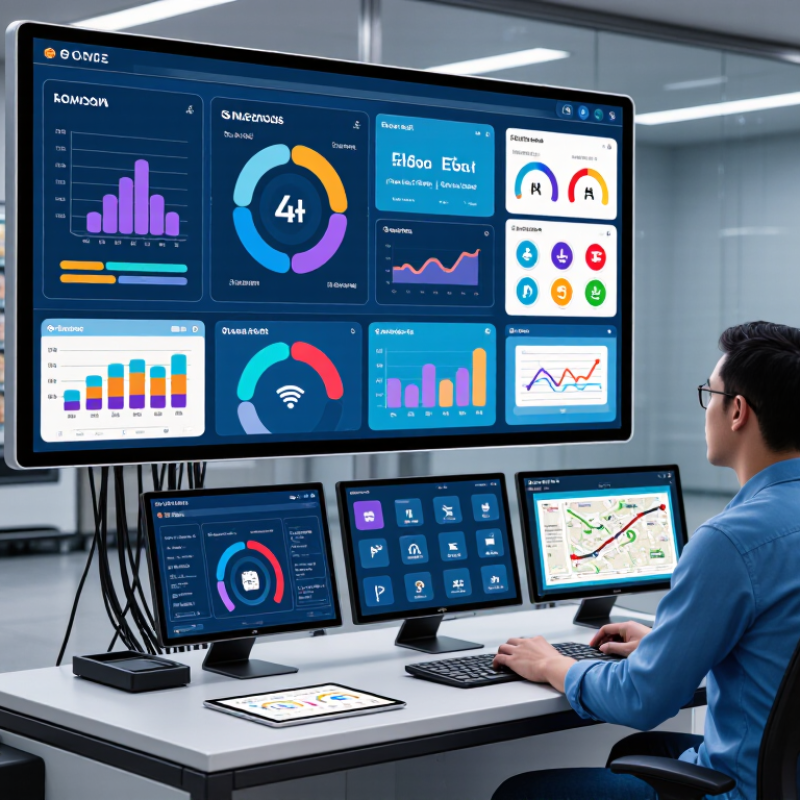
Vending machine software connects the machine, payment system, and operator dashboard. Sensors report stock levels and sales, while the software records transactions and flags errors. When a customer pays, the system checks the payment, signals the machine to dispense, then logs the result. Operators can review sales remotely and plan restocking routes using current inventory data.
Useful software also tracks prices, product performance, and machine downtime. The National Automatic Merchandising Association’s 2024 Industry Census estimated U.S. convenience services revenue at $26.6 billion in 2023, including vending and related services. That scale makes reliable reporting important. Payment options matter, too: the Federal Reserve’s 2024 Diary of Consumer Payment Choice found cash accounted for 16% of U.S. payments in 2023. That figure is not specific to vending, but it is a practical reminder to consider both cash and digital payments. Dashboards can look cleaner than the machine room; sensor gaps and delayed connections still happen.
Tips: Check that software works with your machine’s hardware and payment equipment. Test inventory alerts on a busy route before relying on them. Keep an offline payment or service plan where possible.
Key Features Used to Evaluate Vending Machine Software
Vending software should make daily operations visible, not merely display attractive charts. The National Automatic Merchandising Association’s 2024 State of the Industry report estimated U.S. convenience-services revenue at $26.6 billion in 2023. At that scale, operators need accurate machine-level sales, stock, and service records. Look for near-real-time telemetry, configurable low-stock alerts, and route planning based on actual demand. A refill alert is useful only when it shows which products need attention.
Payment coverage matters, too. The Federal Reserve’s 2024 Diary of Consumer Payment Choice found that cash accounted for 16% of consumer payments in 2023. Software should reconcile cash and electronic sales, flag failed transactions, and keep records clear across machines. Check whether reports can be exported and whether the platform connects cleanly with accounting and inventory systems. Small integration gaps create tedious manual work. They also invite errors.
Security and reliability deserve equal weight. Ask about role-based access, encrypted data, audit logs, backup procedures, and what happens when a machine loses connectivity. Test the interface on a phone, beside a machine, with limited time. Does it identify the fault quickly? Can staff close a service ticket without duplicate entry? No dashboard is perfect. I would also inspect a month of real exception reports, since a polished demonstration can hide messy workflows.
The Top 10 Vending Machine Software Solutions
The top 10 vending machine software solutions are best judged by the jobs they handle, not by flashy dashboards. Core tools include machine telemetry, inventory forecasting, cashless payment processing, route planning, and product-mix management. The remaining essentials are price controls, fault alerts, service-ticket tracking, sales reconciliation, and performance analytics. Together, they help operators spot an empty snack coil before a customer does.
Scale makes those tools practical, not optional. The National Automatic Merchandising Association’s 2023 State of the Industry report estimated U.S. convenience-services revenue at $26.6 billion for 2023. That figure covers more than vending, but it signals the operational weight of the sector. A useful system should show stock levels, sales, and machine faults in one view, then turn alerts into clear tasks. Small detail. A low-stock warning is not helpful if nobody owns the refill.
Payment support also matters. The Federal Reserve’s 2024 Diary of Consumer Payment Choice found that cash made up 16% of U.S. consumer payments in 2023. Software should therefore reconcile cash and digital transactions, rather than assume every purchase is cashless. Route planning can reduce wasted visits, while product analytics can reveal that a popular drink sells out by noon. Still, forecasts miss things: a nearby event can empty a machine unexpectedly. Operators should treat recommendations as useful evidence, not as unquestionable instructions.
Top 10 Vending Machine Software Solutions
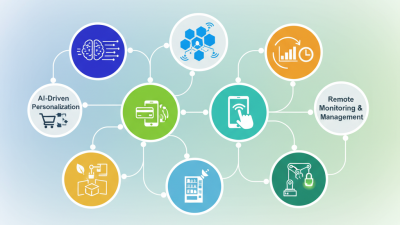
Key capability areas to consider when evaluating vending management software
The scores are an illustrative evaluation framework, not measured market data or a ranking of products. Compare solutions on these capabilities against your own operational needs.
How the Top Solutions Compare in Features and Use Cases
Vending machine software solutions vary more in daily workflow than in appearance. A useful comparison of ten options should examine inventory tracking, payment reporting, alerts, and route planning. Some systems update stock levels after each sale, while others rely on scheduled counts. That difference matters. A small operator with a few machines may prefer a simple dashboard and clear low-stock alerts. A regional team may need route optimization and shared access for several staff members.
Feature depth should match the machines and products being managed. Remote monitoring can flag a temperature change or a payment issue before a visit is needed. Sales reports can reveal which items sell fastest at a workplace, campus, or transit stop. However, detailed analytics are less useful when data arrives late or requires manual cleanup. No dashboard is perfect. Check whether reports can be exported and whether alerts reach the right person.
Use cases also shape the best fit. Operators focused on cashless sales may prioritize transaction records and payment reconciliation. Teams managing many locations may value permissions, location filters, and maintenance logs. Before choosing, test the software with realistic tasks: check stock, review a failed transaction, and plan a service visit. A polished demo can hide extra steps. One small gap may still slow the team down.
How to Choose Software for Different Vending Operations
What Are the Top 10 Vending Machine Software Solutions?
How to Choose Software for Different Vending Operations
Software should fit the route, not just the machine. A small office operator may need simple stock alerts, cashless sales tracking, and a clear weekly restock list. A campus or hospital network needs stronger tools: remote equipment monitoring, role-based access, and reports that compare product sales across locations. NAMA’s 2023 State of the Industry report estimated U.S. convenience services revenue at $26.6 billion, reflecting a large, varied operating landscape. That scale makes a one-size-fits-all setup a poor bet.
Payment patterns matter, too. The 2024 Micropayment Trends Report found that cashless payments represented 71% of vending transactions in 2023. For operators, that makes payment reconciliation and transaction-level reporting practical selection criteria, not optional extras. Check whether the software separates sales by machine, payment method, and time period. Can it flag a machine that stops reporting before a driver makes a wasted trip? Ask for a live demonstration using your own route scenarios. Small details matter.
For fresh-food machines, prioritize expiration tracking and frequent inventory updates. For remote locations, test offline payment handling and how records sync after connectivity returns. A feature list can look convincing. It can still miss the daily workflow. I’d also check data-export options before signing; changing systems later can be more painful than expected.