How to Invest in Vending Machines and Make Money?
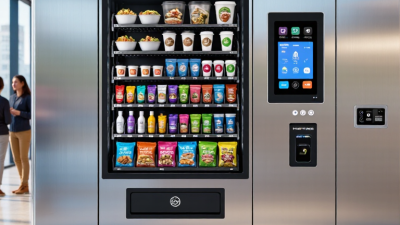
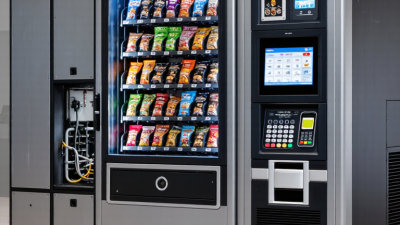
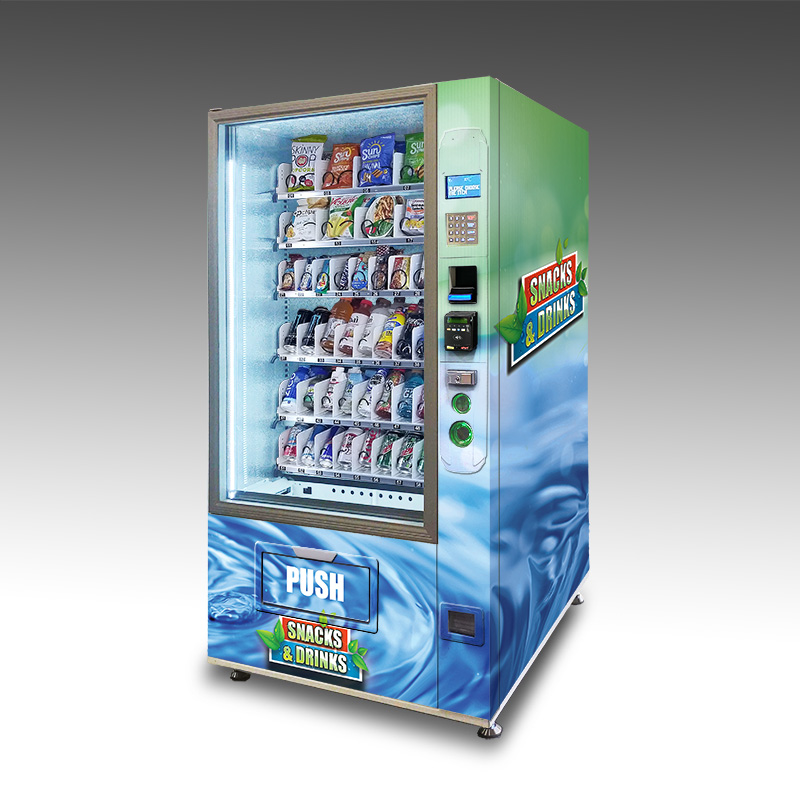
A vending machine can look like a quiet little cash register: a lit screen, neatly stacked snacks, and a steady stream of customers. But profit depends less on the machine itself than on its location, product mix, and upkeep. A well-placed machine near a busy break room may outperform several machines in empty corridors. Small details matter.
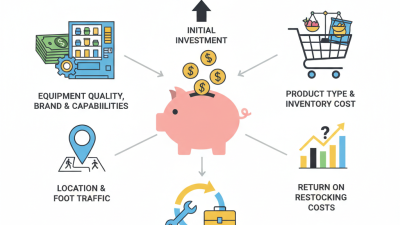
To invest in vending machines wisely, estimate the full costs before buying: equipment, delivery, inventory, payment processing, repairs, and the time required to restock. Ask property managers about access, fees, and written placement terms. Then check foot traffic at different hours; a busy lobby at noon may be nearly deserted after five. Start with a modest pilot, record sales by product, and adjust based on real demand. Numbers can surprise you.
Investor Warren Buffett, not a vending operator, offers a useful test: “Price is what you pay; value is what you get.” Applied here, a cheap machine is not automatically a good investment if it needs constant repairs or sits in a weak location. This guide explores how to assess locations, compare machine types, plan cash flow, and build a practical operating routine. Results vary, and vending is not passive income. A missed refill, expired product, or unreliable payment reader can quietly reduce returns. Some assumptions will be wrong; tracking them is part of the work.
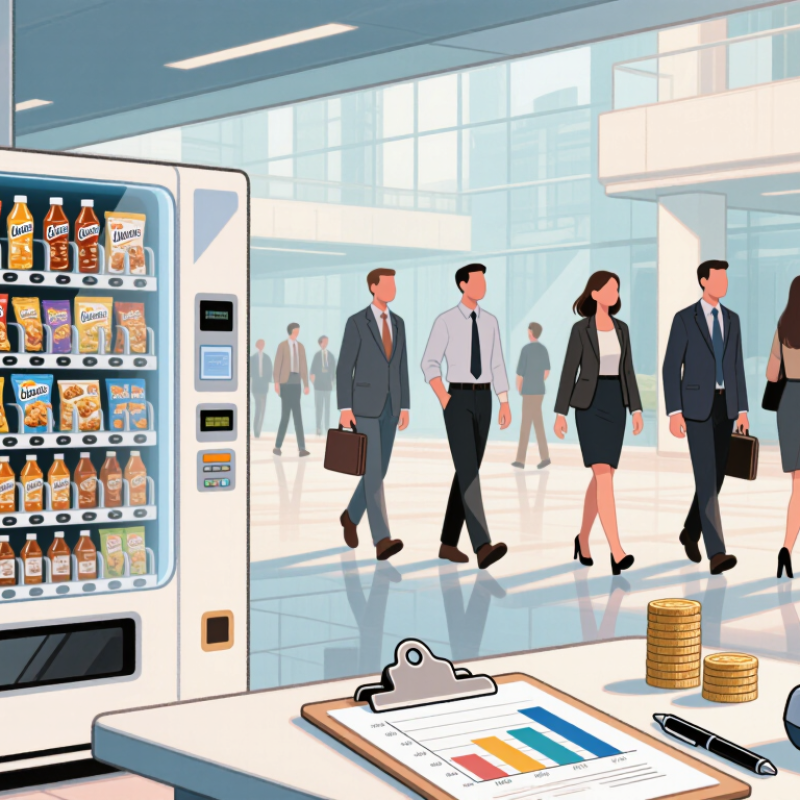
Understand the Vending Machine Business Model and Revenue Streams
A vending machine earns money from the difference between sales and operating costs, not from sales alone. Each purchase brings in revenue, but product costs, payment fees, site commissions, fuel, repairs, and spoilage reduce profit. Bottled water may sell quickly in a busy break room, while the same stock can sit untouched in a quiet corridor. Track sales by item and day, then compare them with receipts and restocking time. Small errors matter.
Tips: Check foot traffic, power access, and commission terms with the property manager before placing a machine. Start with a focused product mix, log each refill, and review sales weekly. Keep money aside for repairs. One busy week proves little.
Revenue can improve when product choices match local habits or seasonal demand, but too much variety ties up cash in slow-moving stock. Test changes in small batches. Calculate profit per visit, including travel and labor, rather than looking only at the markup on each item. Payment reports are useful, but reconcile them with your own records, especially when cash sales or refunds are possible. I would not trust a single strong week; it can be misleading. The work is more hands-on than it first appears.
Estimate Startup Costs and Choose a Target Market
A vending machine can look like a modest investment, but the machine is only one line in the budget. As a planning estimate, allow roughly $3,000–$8,000 for a new machine, then add delivery, installation, a cashless payment reader, opening inventory, insurance, and any site fee. Prices vary by capacity and condition, so get written quotes before committing. NAMA’s 2023 Convenience Services Industry Census estimated U.S. industry revenue at $26.6 billion; that figure covers more than vending alone, but it signals a substantial service market.
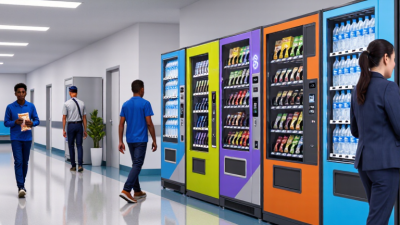
Choose a location by observing who passes through it and when. A warehouse with 80 employees on overnight shifts may need filling snacks and drinks, while a clinic lobby may favor water and quick, smaller portions. Ask the property manager about access, electricity, commission, and competing machines. Estimate weekly sales conservatively, then calculate whether gross margin can cover restocking time, card fees, spoilage, and repairs. A busy hallway is not automatically a good site. I would test one location before buying several machines.
Tips: Track foot traffic for several weekdays, and ask potential users what they actually buy. Keep a small cash reserve for repairs and slow weeks. Don’t treat optimistic sales projections as evidence; record real transactions and adjust the product mix after a few weeks.
Select Machines and Products That Fit Customer Demand
Choosing a vending machine starts with the people who pass it, not the machine’s advertised capacity.
NAMA’s 2023 State of the Industry report estimated U.S. convenience-services revenue at $26.6 billion, but that broad figure cannot predict one hallway’s sales. Track foot traffic by hour, nearby food options, and purchase patterns for two weeks. At a hospital, water, nuts, and quick meals may outperform candy; at a workshop, filling snacks and cold drinks may move faster.
Start narrow. Keep a simple log.
Select equipment to match the products and location: refrigerated machines for fresh items, spirals for packaged snacks, and payment options suited to site visitors. Test a small assortment before filling every slot. Record units sold, spoilage, and stockouts weekly. Reorder popular items, replace slow sellers, and compare prices with wholesale costs, service visits, and payment fees.
A high-selling item can still lose money.
My first demand estimate would probably be too confident; weather, work shifts, and seasonal routines can change the mix.
Tips:
Ask the site manager what people request. Use a short survey, then compare answers with actual sales. Leave space for one unexpected favorite.
Find Locations and Negotiate Placement Agreements
A vending machine earns little from a busy-looking lobby if people rarely pass it. Scout sites during different shifts, and count actual foot traffic near entrances, break rooms, and waiting areas. Note who uses the space, when they arrive, and whether nearby food options close early.
Foot traffic matters.
NAMA’s 2024 State of the Convenience Services Industry report
$26.6 billion
in 2023
NAMA’s 2024 State of the Convenience Services Industry report valued the broader U.S. convenience-services sector at $26.6 billion in 2023, with projected growth to $31.4 billion by 2028.
That figure includes more than vending, so it is not a promise of machine-level sales. Treat it as market context, then build a conservative forecast from observed traffic, likely purchases, and restocking costs.
Put the placement agreement in writing before delivery. Define the exact location, contract term, commission or fixed rent, electricity responsibility, access hours, and who handles repairs.
Clarify whether another operator can place competing equipment nearby. The Federal Reserve’s 2024 Diary of Consumer Payment Choice found that cash accounted for 16% of consumer payments in 2023; specify who pays for cashless hardware and transaction fees.
I would avoid a long exclusive term until sales are proven. A short trial can reveal weak traffic or awkward restocking access, though it may leave you renegotiating sooner than expected.
Manage Inventory, Maintenance, and Profitability
Vending-machine income depends on daily operations, not just the machine’s purchase price. Track each item sold, its cost, and how often the machine needs restocking. A simple weekly spreadsheet can reveal whether a quiet location is underperforming or merely needs a different product mix. Small details matter. A row of unsold snacks tying up cash is easy to overlook.
Keep inventory lean and suited to the people who use the machine. In an office, popular drinks may sell quickly before lunch; in a waiting area, demand can be less predictable. Check stock and expiry dates during every visit, and record shortages rather than guessing what sold. I would not assume one good week proves a product will keep moving. It may not.
Maintenance also affects profit. Inspect payment systems, cooling, door seals, and dispensing coils on a regular schedule. A temperature issue can spoil stock, while a jammed coil can frustrate customers and reduce sales. Budget for cleaning, replacement parts, and qualified repair work before calculating expected earnings. Compare revenue with product costs, travel, fees, and downtime. The first estimate may look tidy; real operating costs rarely are. Revisit the numbers monthly and change one variable at a time, so you can tell what actually helped.