Why Purchase a Vending Machine for Your Business?
Why Purchase a Vending Machine for Your Business?
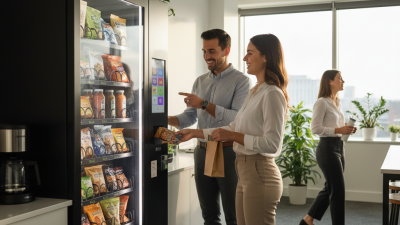
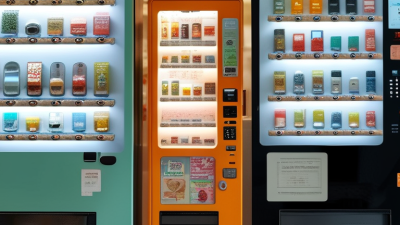
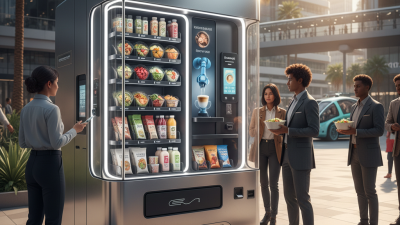
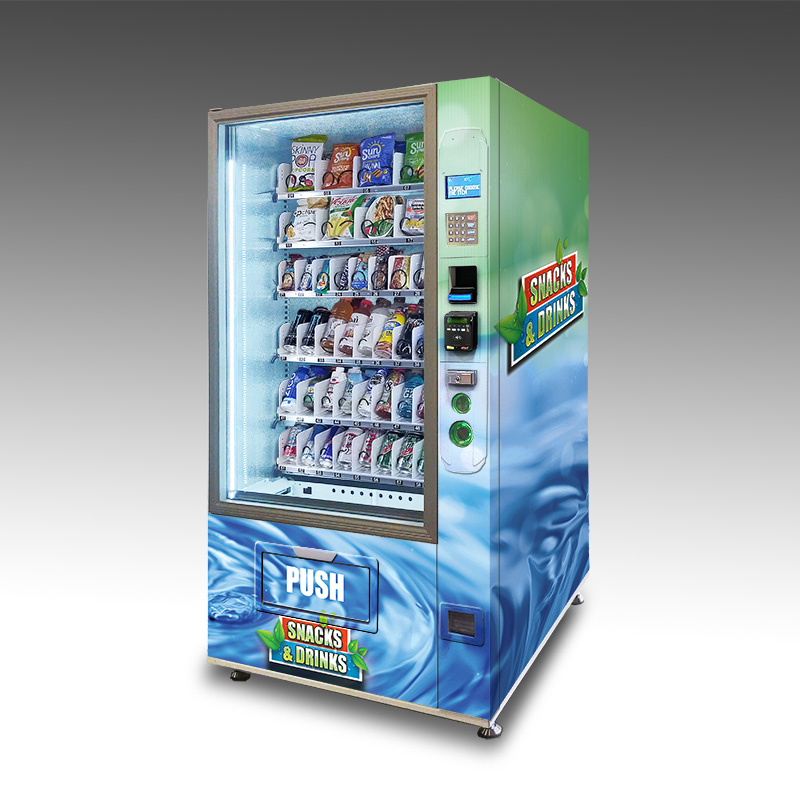
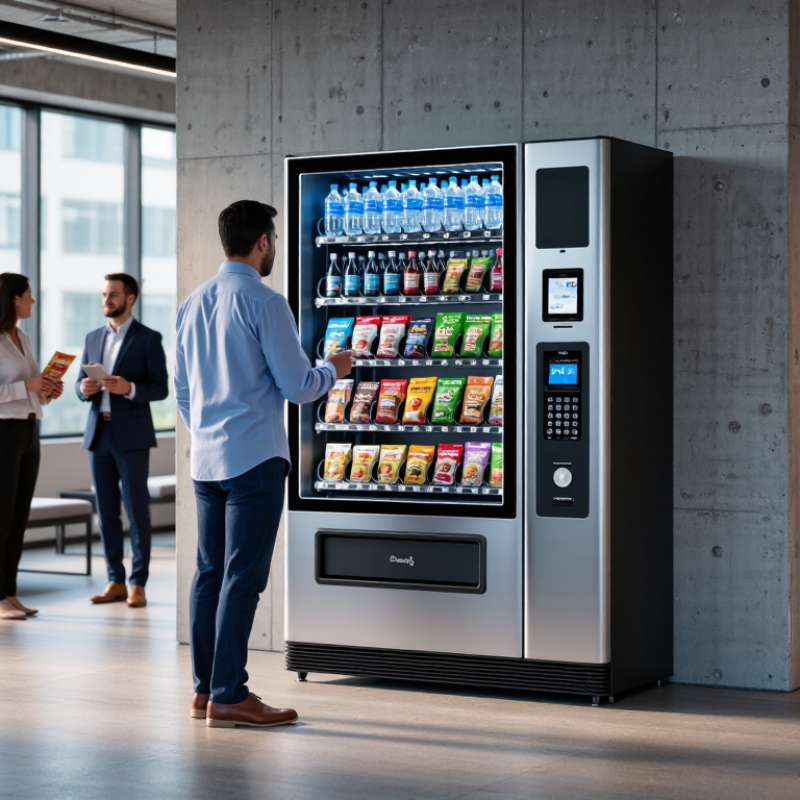
To purchase vending machine equipment is to add a small retail channel with a measurable footprint. A machine can serve customers in offices, gyms, hotels, schools, and apartment buildings. It works quietly near a reception desk or beside a busy break room. Customers can buy bottled water, healthy snacks, or ready-to-eat products within seconds. That convenience may increase customer satisfaction while creating an additional revenue stream.
Carla Balakgie, former president and CEO of the National Automatic Merchandising Association, said, “Vending is about meeting consumers where they are.” Her observation reflects an important business reality. Location often matters more than the machine’s appearance. A bright screen cannot rescue a poorly placed unit. Before investing, owners should study foot traffic, customer preferences, product shelf life, payment options, maintenance needs, and local operating requirements. A machine beside 80 daily employees may outperform one in a larger but quieter lobby.
The numbers deserve honest attention. Purchase costs are only one part of the decision. Restocking, refrigeration, card processing, repairs, insurance, and unsold products also affect profit. It is not passive income. Not always. A successful operator checks inventory, cleans touchpoints, and reviews sales data consistently. Even then, demand can change unexpectedly. A careful trial with one machine may reveal more than an optimistic forecast. This approach supports a practical purchase vending machine strategy built on customer experience, responsible operations, and evidence rather than hype.
Market Scale: Grand View Research Valued Global Vending at $56.0B in 2022
The global vending machine market reached an estimated $56.0 billion in 2022, according to Grand View Research. Its report projects a 10.7% compound annual growth rate from 2023 to 2030. That scale shows strong demand for convenient, self-service purchasing. It also gives business owners a measurable reason to examine vending as a retail channel.
A machine can serve customers near offices, apartment entrances, gyms, schools, and transport areas. It operates beyond normal counter hours and needs less floor space than a staffed shop. A carefully selected product mix may include bottled water, packaged snacks, personal care items, or simple everyday supplies. Operators should study foot traffic, local preferences, payment habits, and restocking distance before purchasing.
The numbers are encouraging, but they are not a guarantee. Market reports describe broad trends, not the performance of one location. A quiet machine can become an expensive cabinet. I would test one site before expanding, recording weekly sales, refill time, spoilage, maintenance calls, and payment failures. Grand View Research provides useful market context, while direct operating records provide stronger evidence for a specific business decision. That distinction matters.
Why Purchase a Vending Machine for Your Business? - Market Scale: Grand View Research Valued Global Vending at $56.0B in 2022
| Business or Market Dimension |
Verified Data |
Why It Matters for a Business |
| Global vending machine market size |
$56.0 billion in 2022 |
Demonstrates that vending is an established global retail channel rather than a niche sales format. |
| Forecast market growth |
10.7% compound annual growth rate, 2023–2030 |
Strong projected growth indicates expanding consumer acceptance of automated and convenient purchasing. |
| Implied global market value in 2030 |
Approximately $126.3 billion |
Calculated from the 2022 market value and the reported 10.7% CAGR; signals substantial long-term market momentum. |
| Service availability |
Can support sales outside conventional staffed-store hours |
Creates additional purchasing opportunities during evenings, weekends, holidays, and shift changes. |
| Space efficiency |
Retailing can be placed in a compact footprint |
Allows businesses to monetize areas that may not be large enough for a conventional shop or staffed counter. |
| Staffing model |
Unattended or lightly attended retail operation |
May reduce the need for continuous checkout staffing, while employees remain necessary for replenishment, maintenance, and service. |
| Payment flexibility |
Modern machines can support cash, card, and contactless payment technologies |
Multiple payment options can reduce transaction friction and serve customers with different payment preferences. |
| Inventory monitoring |
Connected models can provide sales and stock data remotely |
Helps operators plan replenishment, identify fast-selling items, and reduce unnecessary service visits. |
|
Note: The 2030 value is a mathematical projection based on the 2022 market size and the stated CAGR; actual market performance may differ.
|
Customer Value: 24/7 Self-Service Expands Product Access Without a Cashier
A vending machine can turn an unused hallway corner into a practical sales point. In my experience, customers often want a drink, snack, or small daily essential without waiting for staff. A well-stocked machine provides access before opening, during lunch breaks, and after closing. It serves commuters at 6 a.m. and employees finishing a late shift. No cashier is required. This matters when one worker cannot leave a counter unattended. Clear product labels, visible prices, and simple payment instructions reduce hesitation. A bright interior light also helps customers choose quickly. Yet “24/7” should not mean unattended forever. Empty spirals and payment errors damage trust faster than limited opening hours.
Reliable service depends on disciplined operations. Staff should check inventory, expiration dates, temperature settings, and payment records on a defined schedule. For chilled products, temperature logs and prompt removal of damaged items support customer safety. Accessibility matters too: reachable controls, readable text, and enough space for mobility devices make self-service more inclusive. Sales data can reveal useful patterns, such as bottled water moving faster after evening classes. Still, data is not perfect. A rainy week can distort demand, and popular items may change with seasons. Businesses should review the machine beside customer feedback, not rely on numbers alone. A short test period can expose problems with location, pricing, and product mix before larger investment.
Financial Case: Calculate Margin, Fees, Restocking Costs, and Payback Time
Why Purchase a Vending Machine for Your Business?
A vending machine can turn unused floor space into a measurable sales channel. The financial case begins with realistic numbers, not optimistic guesses. Suppose one machine sells 35 items daily at an average price of $2.50. Monthly revenue could reach about $2,625 before deductions. Product costs at 45% would remove approximately $1,181. Payment processing, electricity, location fees, maintenance, and refunds may reduce another $450. That leaves roughly $994 before taxes and unexpected repairs. Check every assumption.
Payback time depends on the initial investment. If equipment, delivery, installation, and opening inventory cost $8,000, divide that amount by monthly net profit. At $994, the estimated payback is about eight months. However, weak foot traffic can change the result quickly. My first forecast was too optimistic because I ignored quiet weekends and seasonal demand. A three-month sales test may provide better evidence than a spreadsheet alone.
Tips: Track daily sales, expired products, refill hours, and service visits. Compare gross margin by product, not just total revenue. Keep a repair reserve. Small costs accumulate. Review pricing carefully, because a higher price may reduce sales volume. Leave room for mistakes. The machine may need more restocking than expected, and some products may sell much slower than planned.
Why Purchase a Vending Machine for Your Business?
Illustrative monthly financial case showing sales, margin, operating fees, restocking costs, and estimated payback time.
Gross margin
60.0% before operating expenses
Net operating margin
32.7% after recurring costs
Estimated payback
Approximately 6.6 months
Assumptions: one machine costs $6,500, generates $3,000 in monthly sales, and sells products with an average 40% product cost. The model also includes a 15% location fee, 3% electronic payment fees, $180 for restocking and logistics, and $100 for maintenance. Estimated monthly operating profit is $980, calculated before taxes, financing costs, insurance, and depreciation.
Site Selection: Use Foot Traffic and NAMA Benchmarks to Forecast Sales
Why Purchase a Vending Machine for Your Business?
A profitable vending machine begins with site selection, not equipment size. Count pedestrians near the proposed position during breakfast, lunch, and late afternoon. Record weekdays separately from weekends. A busy entrance may produce weak sales if people move quickly or cannot see the machine. Visibility, waiting time, and nearby food options matter.
NAMA’s 2022 Industry Census estimated U.S. vending sales at approximately $18.8 billion. Use this figure as industry context, not a guaranteed result. Measure your own location carefully. For example, 1,000 daily passers and a 2% purchase rate suggest 20 transactions. At a $2.50 average ticket, that equals about $50 daily before costs. The assumption may be wrong. Test it.
The U.S. Bureau of Labor Statistics’ 2023 Consumer Expenditure Survey reported average household spending of $3,933 on food away from home. This supports demand for convenient purchases, but household data cannot replace local observation. Run a two-week pilot when possible. Compare transactions with foot traffic, weather, shift changes, and nearby events. Check the numbers again. An employee entrance with 300 daily users may outperform a public lobby with 1,200 passers. Forecasts improve when they reflect actual behavior, not attractive estimates.
Operations and Compliance: Plan Inventory, Repairs, Permits, and Data Security
A vending machine can support a business, but it is not passive income. Daily operations decide whether the investment earns trust or creates complaints. Map likely demand before choosing capacity, product types, or refill frequency. A small office may need bottled water, snacks, and contactless payment. A busy site may require two machines and faster replenishment. Track weekly sales, expired items, and empty selections. Numbers reveal habits.
Create an inventory sheet with minimum stock levels and delivery dates. Store products off the floor, check packaging, and record temperature where required. I would schedule a morning inspection for spills, jammed coils, lighting, and payment errors. That routine sounds simple, yet missed checks can damage customer confidence. Keep a repair log with photographs, fault codes, parts, and response times. Do not promise instant service unless staff and technicians can provide it. My first plan might underestimate weekend demand. Review it honestly.
Before installation, confirm permits, zoning, electrical capacity, insurance, and site-owner approval. Requirements vary by location and by the products sold. Ask the relevant local authority for current guidance, and keep copies of approvals. Protect customer and sales data with encrypted connections, strong administrator passwords, software updates, and limited access. Avoid storing unnecessary payment details. Train staff to recognize suspicious login requests and unusual transaction patterns. Test backups and incident procedures on a quiet day, not during a failure.