2026 Top Snack Vending Machine Types for Global Buyers
The 2026 snack vending machine market is becoming more selective, connected, and locally adapted. Buyers now compare more than cabinet size or product capacity. They examine payment security, energy use, remote monitoring, refill speed, and product temperature. A machine placed beside a Tokyo office elevator needs a different mix from one serving students in a European rail station.
Grand View Research identifies unattended retail as a continuing growth area, supported by cashless payments and demand for convenient food access. Mordor Intelligence also reports strong expansion in the global vending machine market, although forecasts vary by research method and region. That uncertainty deserves attention. Market numbers are useful guides, not guarantees.
Michael Kasavana, a longtime vending and hospitality technology scholar, described vending as “retailing in its most convenient form.” His observation still fits today. Convenience remains the central promise.
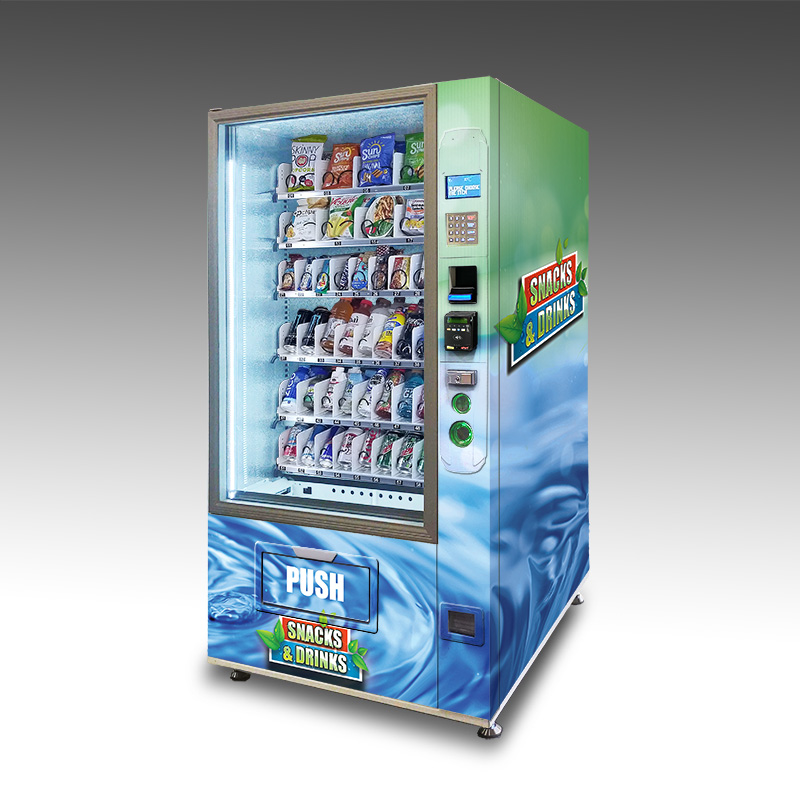
The leading 2026 types include spiral snack machines, compact countertop units, refrigerated combination models, and smart touchscreen machines. Spiral models suit packaged snacks and simple maintenance. Combination units save floor space. Refrigerated machines support sandwiches, fruit cups, and chilled drinks. Smart systems provide sales data, alerts, and contactless payment options.
Small details matter. A bright product window can reduce browsing time. Adjustable spirals can prevent crushed packaging. Reliable temperature control protects perishable goods. Yet technology can create new weaknesses, including higher service costs and complicated repairs.
This guide compares practical machine types for global buyers. It considers capacity, climate, payment habits, maintenance access, and product standards. The best choice is rarely the most advanced model. Often, it is the machine operators can refill, monitor, and repair consistently.
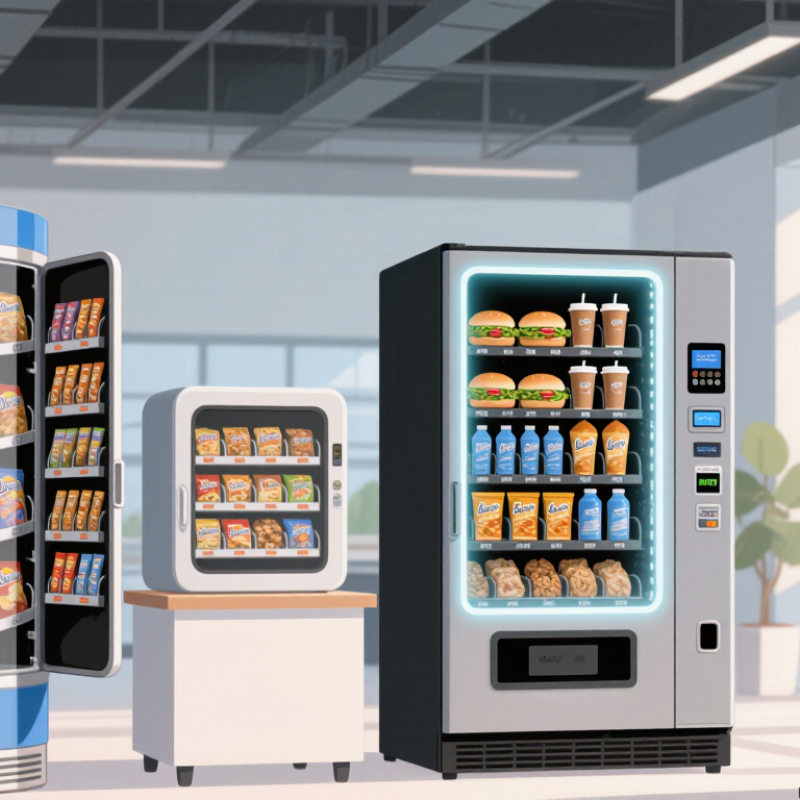
Table of Contents
[Hide]
What a Snack Vending Machine Is and How It Works
What a Snack Vending Machine Is and How It Works
A snack vending machine is a self-service cabinet that stores packaged food and releases a selected item after payment. Inside, shelves or spirals hold products such as crackers, nuts, and snack bars. A control system tracks selections, payment, and stock. Simple idea. The machine may accept coins, cards, or contactless payments, depending on its setup. After a customer chooses an item, a motor moves a spiral or tray, guiding the snack into the collection compartment. Sensors can check whether the product dropped successfully. If it does not, the screen may offer another selection or indicate a fault.
Modern machines often include temperature controls, digital displays, and remote inventory monitoring. These features help operators keep products in suitable conditions and see which items need restocking. Yet technology is not a substitute for regular checks. A sensor can miss a jam, and inventory data may lag behind what is physically on the shelf. Small details matter: a bent spiral, dusty payment reader, or poorly placed snack can interrupt a sale. Not every machine works exactly the same way.
Tips: Check package dates, refill high-demand snacks before shelves look empty, and test the delivery mechanism after servicing. Keep the collection area clear. A quick daily inspection can catch problems early, though it will not prevent every breakdown.
| Machine Type | How It Works | Suitable Products | Typical Locations | Key Considerations for Buyers |
|---|---|---|---|---|
| Coil-Based Snack Machine | Motorized spirals rotate to move a selected item toward the collection tray. Sensors can detect whether a vend was completed. | Packaged chips, candy bars, cookies, crackers, and other shelf-stable snacks. | Offices, schools where permitted, break rooms, and transport facilities. | Check product dimensions, spiral spacing, drop sensors, and whether the machine supports different package sizes. |
| Conveyor or Belt-Delivery Machine | A controlled belt or conveyor carries the selected product to the dispensing area, reducing the distance it falls. | Fragile snacks, boxed food, pastries in protective packaging, and mixed-size products. | Locations where product damage is a concern, including offices and hospitality sites. | Compare delivery reliability, shelf configuration, cleaning access, and the range of package shapes the system can handle. |
| Glass-Front Tray Machine | Products sit on adjustable shelves or trays behind a display window. The control system releases the chosen item through a delivery mechanism. | Packaged snacks, drinks, and assortments that benefit from clear product visibility. | Workplaces, public buildings, hotels, and shared-use areas. | Review product visibility, tray adjustability, lighting, capacity, and the space required for installation and servicing. |
| Refrigerated Snack Machine | An insulated cabinet and refrigeration system maintain a chilled interior; controls monitor temperature and may restrict sales if conditions fall outside set limits. | Chilled snacks, dairy products, sandwiches, and other items requiring temperature-controlled storage. | Hospitals, offices, campuses, and locations with demand for fresh or chilled food. | Confirm the required temperature range, local food-safety rules, energy use, temperature monitoring, and service requirements. |
| Smart-Access or Locker-Style Machine | A customer selects or authorizes access through a payment interface; sensors or a controlled compartment register the product release. | Packaged snacks, larger items, and assortments that do not fit standard vending spirals. | Workplaces, residential buildings, and sites with managed access or extended operating hours. | Assess payment options, user authentication, inventory tracking, connectivity, and the process for resolving failed transactions. |
| Combo Snack-and-Drink Machine | A single cabinet contains separate product areas and dispensing controls for snacks and beverages. | Packaged snacks alongside bottled or canned drinks; refrigerated models may support chilled selections. | Smaller workplaces, staff rooms, and locations with limited floor space. | Compare the balance between snack and drink capacity, cabinet dimensions, power needs, and the ease of restocking each section. |
| How a Snack Vending Machine Works | The operator loads products and sets prices and stock records. The customer selects an item and pays using an accepted method. The controller validates payment, activates the dispensing mechanism, and reports the transaction or inventory change. | Products compatible with the machine’s dimensions, dispensing system, storage conditions, and local sale requirements. | Any accessible location with suitable power, safe placement, customer demand, and a practical restocking route. | Before purchase, verify voltage and plug requirements, payment compatibility, connectivity, accessibility, safety standards, warranty terms, and local regulations. |
| Buyer note: Machine capabilities and specifications vary by configuration. Confirm capacity, dimensions, temperature performance, payment support, and compliance requirements with the supplier before ordering. | ||||
Related Posts
-
2026 Top Snack Vending Machine Types for Global Buyers
-
What Are the Top 10 Vending Machine Manufacturers in China?
-
What Is a Drink Vending Machine and How Does It Work?
-
What Is a Drink Vending Machine and How Does It Work?
-
Owning a Vending Machine in 2026 What Type Is Best?
-
2026 Best Vending Business Ideas for Global Buyers