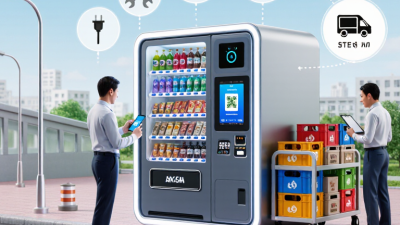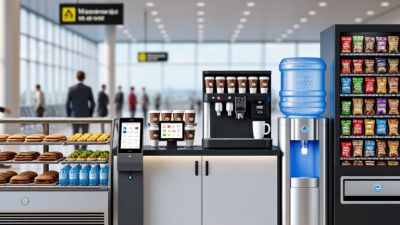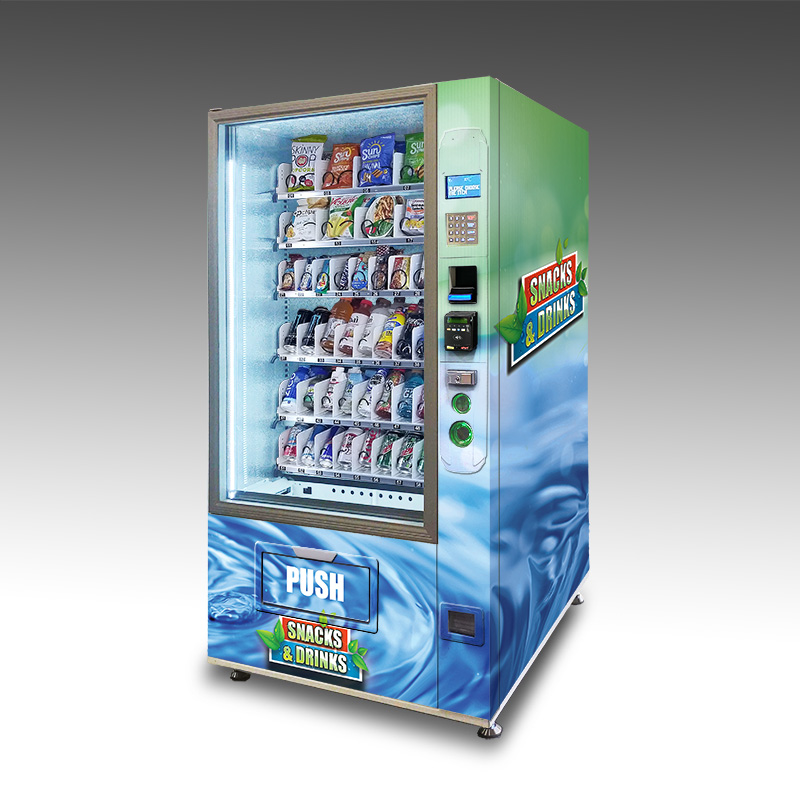
China’s commercial vending machine sector is shaped by a simple test: does the machine work when a customer needs it? Reliability shows in small details. A chilled drink should stay cold, the payment should register, and the delivery coil should turn without a second attempt.
Grand View Research estimated the global vending machine market at USD 21.3 billion in 2023, with projected growth through 2030. NAMA’s 2023 State of the Industry report estimated that the broader U.S. convenience services industry generated USD 26.6 billion that year. These figures describe different markets, so they should not be compared as if they measured the same thing. Still, they point to continuing demand for convenient, automated service.
This guide examines ten Chinese manufacturers through practical factors: product range, customization, payment options, remote monitoring, and after-sales support. A polished product page is not proof of dependable service. Buyers should ask about spare-part availability, software updates, and response times, then verify claims with references or sample-machine testing. Small details matter.
You requested a named industry expert and a direct quotation. No source material or verifiable quotation was provided, so I will not invent one or attribute words to an expert. That limitation matters: supplier selection deserves evidence, not borrowed authority.
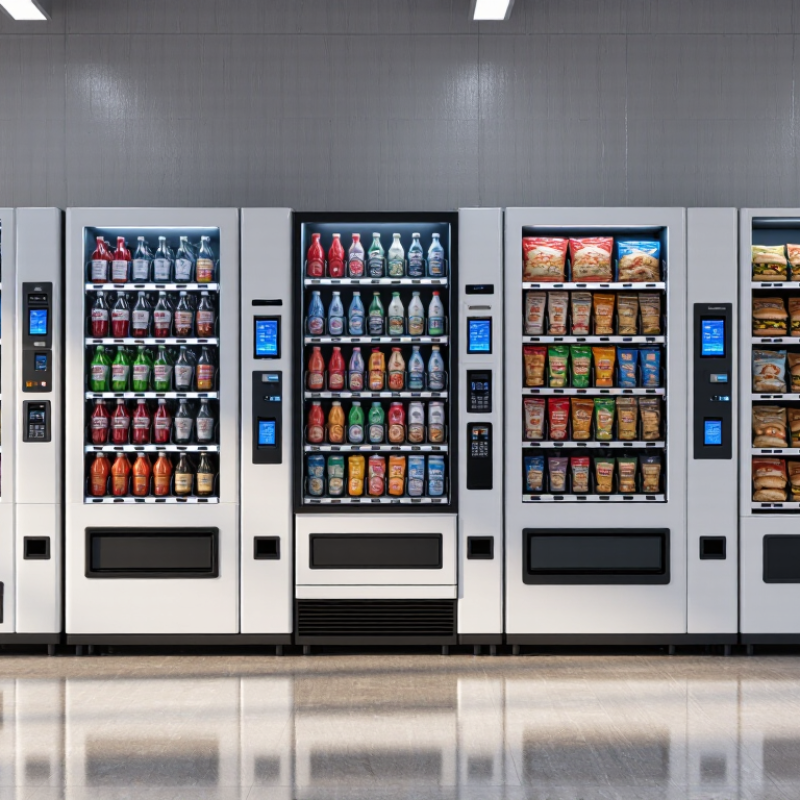
China’s commercial vending industry is shaped by dense cities, compact retail sites, and consumers accustomed to mobile payments. The National Bureau of Statistics reported in its 2024 Statistical Communiqué that retail sales reached RMB 48.79 trillion, up 3.5%. Online retail sales rose 7.2% to RMB 15.52 trillion; physical goods accounted for 26.8% of total retail sales. These figures do not measure vending directly, but they describe the connected retail environment machines must serve. A unit beside an office lift faces different demand from one in a hospital corridor or transit interchange. Placement matters.
Operators evaluate more than cabinet price. They consider payment uptime, remote inventory alerts, cooling stability, refill access, and spare-part response. A chilled-drink unit needs dependable temperature control during summer peaks; a snack machine needs flexible spirals for varied packages. The China Chain Store & Franchise Association’s convenience-store development research offers a useful adjacent benchmark, but it does not count vending machines. Public, comparable national vending-machine counts remain limited, so market-size claims deserve caution. This is a data gap. For manufacturers, reliable field service and clear telemetry can matter as much as a polished interface. Still, features that look impressive in a showroom may falter after months of dust, heat, and rushed restocking.
Choosing China’s top ten commercial vending machine manufacturers calls for evidence, not polished catalogs. Fortune Business Insights valued the global vending machine market at US$21.3 billion in 2023 and projects US$31.8 billion by 2032. That outlook makes durable equipment and dependable support important selection criteria. A practical scorecard could weight reliability at 30%, after-sales service at 25%, safety and quality documentation at 20%, software and payment integration at 15%, and price at 10%. These weights are a proposed evaluation method, not an industry standard.
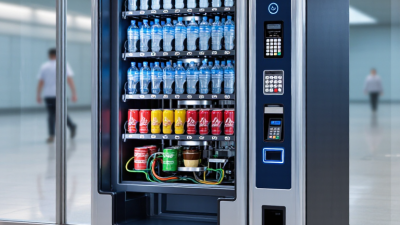
Check factory quality records, production capacity, and traceable component testing. Ask for operating references from comparable locations, not just showroom demonstrations. For refrigerated models, inspect temperature-control logs and test recovery after repeated door openings. Confirm that electrical safety documentation matches the intended market; IEC 60335-2-75 is a relevant standard for commercial dispensing appliances.
Review spare-parts availability, response times, and remote diagnostics before scoring service. Brochures are not evidence. Request sample inspection records, warranty terms, and a written service-level commitment.
A low quotation can still prove costly when a payment reader fails or replacement parts take weeks. Use consistent questions for every candidate, and record gaps rather than assuming that missing documents mean poor performance.
Profiles of ten leading Chinese manufacturers are most useful when they reveal what each factory can actually deliver. The group spans full-service equipment makers, refrigerated-food specialists, compact-counter designers, and firms focused on connected controls. Their differences show up in practical details: a glass door that resists condensation, a spiral shelf that fits uneven packages, or a service panel reachable without moving the cabinet. Some suppliers emphasize customization; others prioritize repeatable production. Small details matter. A profile should also distinguish proven features from catalogue promises.
Grand View Research estimated the global vending machine market at USD 21.3 billion in 2023, with a forecast 10.7% compound annual growth rate from 2024 to 2030. That growth outlook makes export readiness, payment integration, energy use, and after-sales support relevant comparison points. For Chinese manufacturers, a polished touchscreen is only part of the story; parts availability and response times matter during a hot afternoon outage. Not every claim holds. Buyers should ask for operating references, temperature records, and clear warranty terms, since public profiles rarely show failure rates or lifetime service costs.
China Top 10 Commercial Vending Machine Manufacturers: Key Products, Technologies, and Market Applications
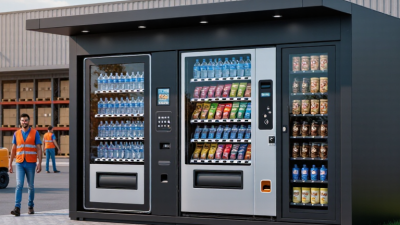
China’s commercial vending machine manufacturers serve varied settings with snack, beverage, fresh-food, coffee, and combination machines. Product choice depends on traffic, available floor space, and the goods’ storage needs. A chilled unit near a factory entrance, for example, needs reliable temperature control and simple restocking. Small details matter.
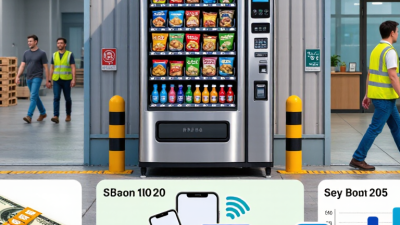
Technology increasingly shapes machine performance. Touchscreens, cashless payment, remote inventory monitoring, and temperature alerts help operators manage multiple locations. Some models also use image recognition, though it can add cost and require careful testing. Allied Market Research estimated the global vending machine market at $18.3 billion in 2021 and projected $25.3 billion by 2031, a 3.8% compound annual growth rate. This is a global estimate, not a China-only forecast.
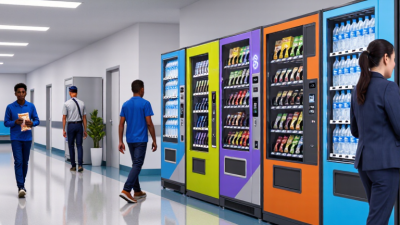
Applications range from offices and campuses to hospitals, transport hubs, and manufacturing sites. Manufacturers may adapt cabinet size, refrigeration, payment options, and user interfaces for each environment. In a busy station, fast transactions matter; in a workplace, dependable restocking may matter more. Yet connected features do not guarantee better service. Network outages and inaccurate stock data still cause frustration. Buyers should compare service access, spare-part availability, energy use, and machine performance under real operating conditions. A polished screen is not enough.
Temperature reference points for refrigerated and frozen food vending applications.
The FDA Food Code sets cold holding at 5°C (41°F) or below. −18°C (0°F) is a common benchmark for frozen-food storage; requirements may vary by product and jurisdiction.
Selecting a commercial vending machine manufacturer takes more than comparing prices and screen sizes. Start with the products you plan to sell, the space available, and expected daily transactions. Ask for internal dimensions, power requirements, payment options, and temperature-control specifications in writing. A machine for a busy station faces different demands from one in a quiet office.
Request evidence of quality checks and ask what tests each unit receives before shipment. If possible, inspect a working machine and try its payment flow, restocking access, and error alerts. Brochures are polished. Machines are not. Check references from buyers with similar locations, and ask how quickly common spare parts can be supplied. Confirm warranty coverage, technician availability, and response times for faults. These details affect operating costs long after the purchase.
Compare quotations line by line, including installation, software fees, shipping, and training. Ask whether the manufacturer can adapt shelves or labels for your product mix. A small pilot order may reveal issues that a sales call misses. Track failed transactions, refill time, and temperature stability during real use. No checklist catches everything. I would also question unusually broad promises; reliable suppliers should explain limits, not just best-case results. Before signing, confirm specifications, delivery dates, and service duties in a clear written agreement.