How Much Does a Vending Machine Cost in 2026?
A vending machine can look like a simple purchase: choose a model, fill it, and start selling. The real vending machine cost is less straightforward. A basic used snack machine may cost a few thousand dollars, while a new refrigerated or cashless model can cost considerably more. Features matter. So do condition, capacity, delivery distance, and whether the machine includes a warranty.
The purchase price is only part of the budget. Delivery, site preparation, installation, payment processing, inventory, and routine repairs can add to the total. A machine placed in a busy office may need different products and service visits than one in a small break room. Ask suppliers for an itemized quote, and confirm what is included before comparing prices. A low sticker price can hide missing parts or a short warranty. That is easy to overlook.
This guide explains typical machine price ranges and the costs that often appear after purchase. It also covers new versus used equipment, specialty models, financing, and ongoing expenses. Exact figures vary by seller and location, so treat any range as a planning estimate, not a promise. Even careful estimates can miss a repair or a slow first month. That uncertainty deserves attention. Comparing real quotes and checking the machine’s condition can help you make a more grounded decision.
What Does a Vending Machine Cost in 2026?
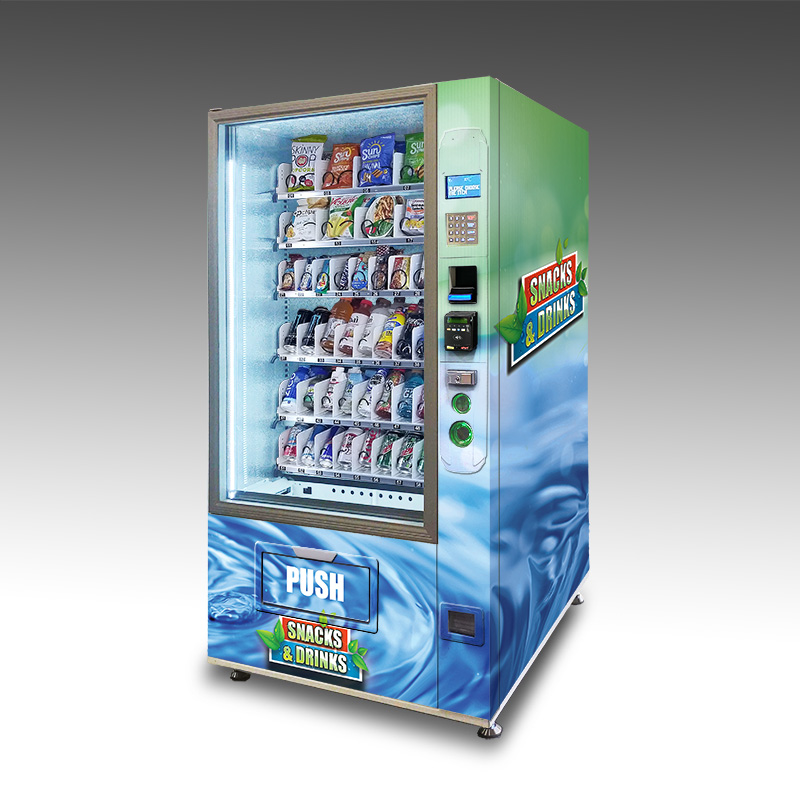
In 2026, the machine itself may cost about $1,500–$3,000 refurbished, $3,000–$6,000 new, or $6,000–$10,000 or more for connected models. These are planning ranges drawn from published equipment price guides, not audited industry averages. A quote can change with capacity, payment hardware, refrigeration, and delivery distance. Check what the price includes.
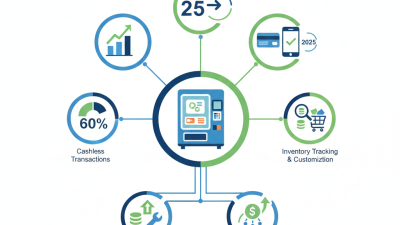
The National Automatic Merchandising Association’s 2023 State of the Industry report put U.S. convenience-services sales at $25.2 billion in 2022. That figure shows the scale of the sector, but it does not report machine purchase prices. Budget separately for shipping, installation, initial inventory, payment processing, and repairs. A machine listed at $4,000 can require a much larger first-year outlay. For example, a refrigerated unit placed in a busy break room may need extra electrical work and frequent restocking. Ask suppliers for itemized quotes and warranty terms. Small details matter. Location revenue is uncertain, too; a promising foot-traffic count does not guarantee enough purchases.
How Much Does a Vending Machine Cost in 2026?
Estimated purchase-price ranges for new machines in 2026 (USD).
Prices vary by capacity, features, and supplier. These planning estimates cover the machine itself and exclude delivery, installation, inventory, and ongoing operating costs.
Which Machine Types and Features Affect the Purchase Price?
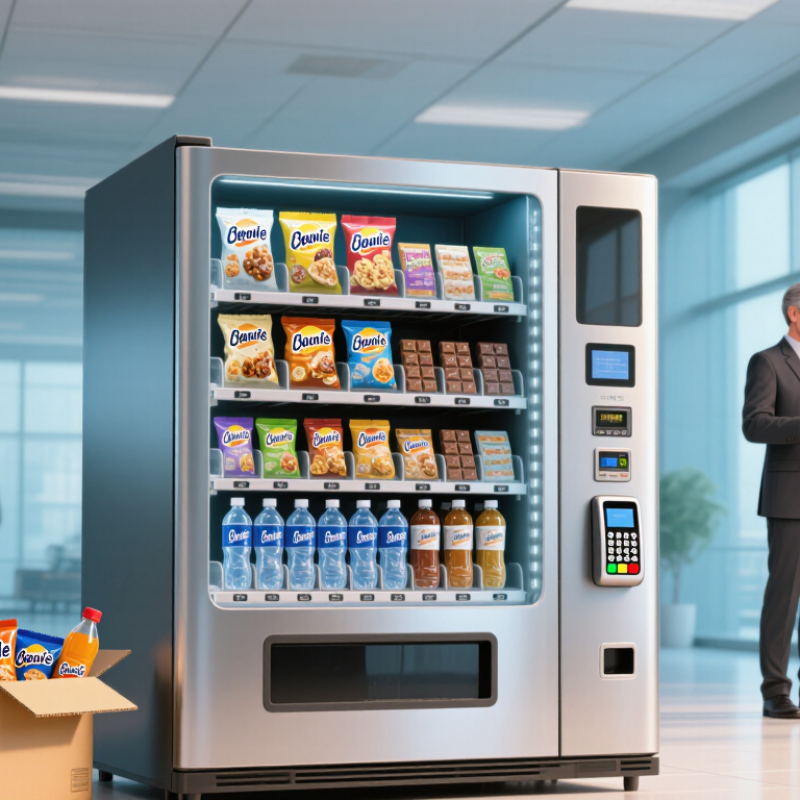
A vending machine’s purchase price depends less on its cabinet than on what it must store, sell, and monitor. For 2026 U.S. budgeting, a basic refurbished snack or drink machine may cost roughly $1,500–$4,000; new conventional models often run about $3,000–$7,000. Refrigerated combination units commonly reach $5,000–$10,000, while fresh-food machines with precise temperature control can exceed $10,000. These are planning estimates, not fixed market prices. Delivery, installation, payment hardware, and initial inventory may add hundreds or several thousand dollars.
Features explain much of the spread. A cashless reader, remote inventory monitoring, and telemetry can add several hundred dollars, plus ongoing service fees. Larger touchscreens and custom interfaces raise the upfront cost, but may not pay off at a low-traffic site. Refrigeration also matters: ENERGY STAR’s vending-machine guidance reports that certified models use substantially less energy than standard models, making efficiency worth comparing alongside purchase price. NAMA’s 2024 State of the Industry report estimated U.S. convenience-services revenue at $26.6 billion, reflecting a varied market rather than one standard machine specification. Ask suppliers for itemized quotes and check what warranties cover. Small detail, big difference. A machine sized for cans may not fit bottles, and that mismatch can quietly cut capacity.
What Setup and Operating Costs Should Buyers Expect?
A realistic 2026 budget starts with the machine, not the advertised sticker price. A new refrigerated unit may cost roughly $3,000–$8,000; refurbished models can be cheaper, but check cooling performance and parts availability. Add delivery, installation, card-reader hardware, and initial stock. These costs vary sharply with machine size, payment features, and site access, so request an itemized quote. A narrow hallway or stair-only delivery can change the bill.
Then budget for recurring expenses: inventory, payment processing, electricity, repairs, and any site commission. The U.S. Department of Energy’s ENERGY STAR program reports that certified vending machines use about 40% less energy than standard models, making efficiency worth checking before purchase. Actual savings depend on the model and usage.
NAMA’s 2022 Industry Census estimated U.S. convenience-services sales at $26.6 billion for 2022, reflecting a large, service-based sector—not a guarantee of profit for an individual machine. Keep a reserve for spoiled products and unexpected repairs. Small costs add up.
Before signing a location agreement, estimate weekly sales using foot traffic and nearby alternatives. Then compare that forecast with inventory costs and the site’s commission. A machine that looks profitable on paper may sit half-empty. Estimates are imperfect; track sales and restock levels for the first few months, then adjust.
How Do Location and Business Model Change the Budget?
A vending machine’s price is only one part of the 2026 budget. Location can change the total substantially. A machine placed near a busy office entrance may need larger capacity, frequent restocking, and reliable payment connectivity. A quiet staff room may need less stock, but access hours and delivery routes still matter. Measure the space, check power access, and note how far supplies must be carried. Small details add up.
Then consider the site agreement. Some property owners charge fixed rent; others request a share of sales. A high-traffic site can support stronger sales, but it may also come with higher fees. Ask about electricity, delivery access, insurance requirements, and who handles repairs before signing. Get the terms in writing.
Your business model shifts costs, too. Buying a machine gives you control, but you cover repairs, inventory, and downtime. A managed arrangement may reduce daily work, though service fees or revenue sharing can trim your margin. Leasing can preserve cash upfront, but monthly payments continue during slow periods. Compare the full operating cost, not just the quoted machine price. A spreadsheet helps. It can still be wrong: sales forecasts depend on real foot traffic, product fit, and seasonal changes. Track those figures after launch and adjust the budget.
How Can Buyers Compare New, Used, and Leased Machines?
A vending machine’s 2026 price depends on more than its purchase tag. Compare the full cost over the period you expect to operate it. A new machine may cost more upfront, but often comes with a warranty and clearer service options. Ask whether delivery, setup, payment hardware, and initial repairs are included. Those details can change the real number.
A used machine can be cheaper, especially if it is already configured for your products. Check its age, cooling performance, door seals, and payment system before agreeing to buy. Request maintenance records and test each selection button. A low price is less useful if the machine needs a replacement compressor next month. That happens. The comparison is not perfectly tidy, since condition varies widely between used units.
Leasing can reduce the cash needed at the start, but compare every monthly payment, fee, service obligation, and end-of-term condition. Ask who pays for repairs and whether you can end the agreement early. Read the fine print. For a fair comparison, request written quotes using the same delivery location, machine capacity, and service assumptions. Then estimate operating costs, including electricity and restocking labor. I would not treat the cheapest option as the best one without checking those assumptions; they are easy to overlook.